
How to Safely Get Rid of Unused Large Appliances

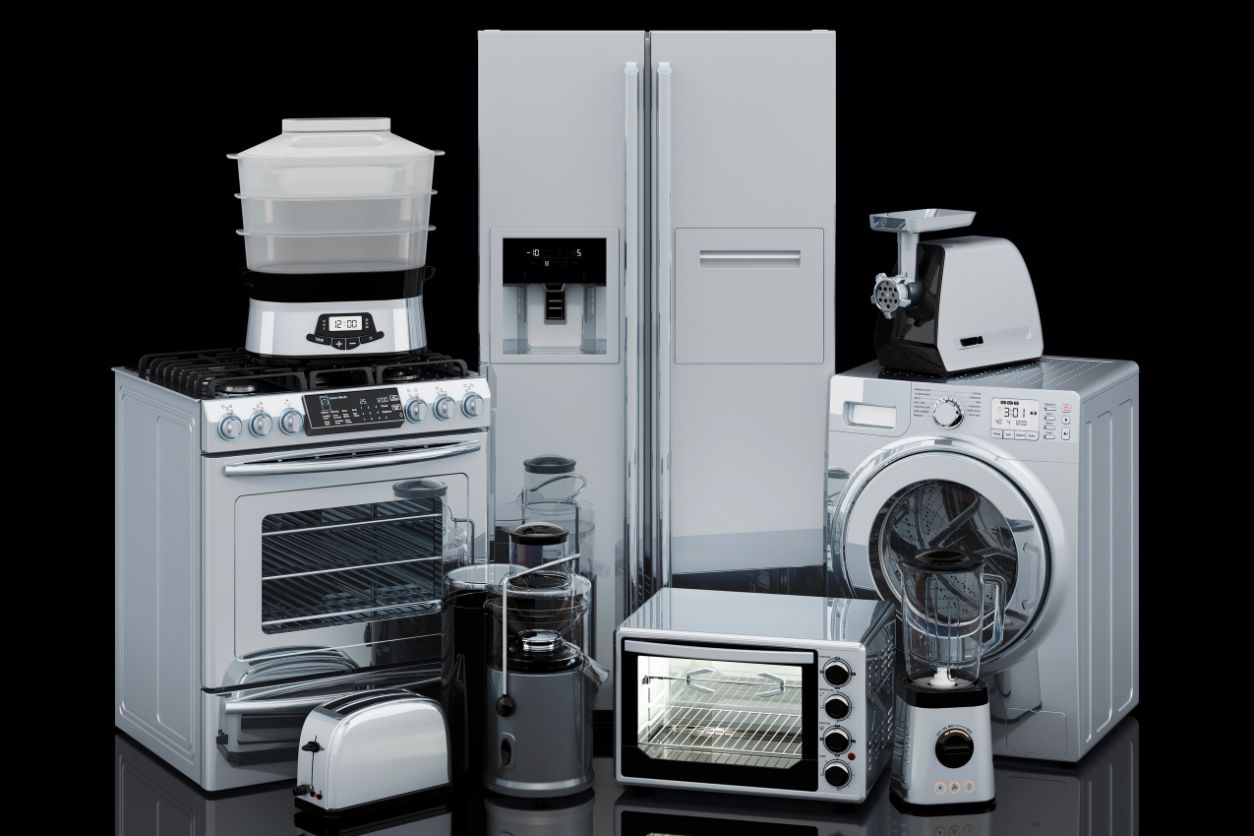
When large appliances—like refrigerators, ovens, washers, and dishwashers—stop working or get replaced during a remodel, they quickly go from useful to overwhelming. These bulky machines aren’t just awkward to store or move. They come with real risks—environmental hazards, safety concerns, and even legal trouble if they’re tossed the wrong way.
A lot of us make the mistake of thinking we can treat these like regular trash. But most large appliances contain materials that need special handling: refrigerants, mercury switches, and heavy metals, to name a few. Leaving them out in the open or dragging them to a landfill invites more problems than giving us a solution. That said, getting rid of them the right way is easier than most people expect. You just need to know a few smart steps.
Check for Reuse Opportunities First
Before jumping to disposal, it’s worth asking a simple question: does the appliance still work? If the answer is yes, or even kind of, there may be someone who can use it. Donation centers, community shelters, or housing nonprofits often welcome gently used appliances. Some organizations even offer free pickup, making it easier to move large items without added cost.
Online platforms like Freecycle, Craigslist, or local Facebook groups are great for rehoming appliances within the neighborhood. Listings should always include honest descriptions of the appliance’s condition, even if it’s just cosmetic wear. Being upfront sets the right expectations and gives the appliance a second life instead of a landfill.
Call the Local Waste Authority
When reuse isn’t an option, local governments should be the first call. Many cities and counties operate bulk-item disposal programs, host annual appliance recycling days, or run drop-off sites specifically for large machines.
Proper handling matters because these machines often contain materials that are regulated under environmental law. Refrigerators and freezers, for example, hold refrigerants like CFCs or HCFCs that can damage the ozone layer. Certified technicians must safely remove these chemicals before recycling can proceed. City or county offices can provide referrals or handle this directly. Making one call can prevent both legal issues and environmental damage.
Schedule a Pickup With a Certified Recycler
Some recycling services focus entirely on large appliance removal and processing. These professionals disassemble the machines, safely handle any hazardous materials, and ensure recyclable components are recovered. Many of them partner with municipal programs or meet EPA certification standards.
One such service hauled away a pair of basement appliances, avoided damaging the flooring during removal, and provided a recycling certificate. That document later served as proof for the city that the items were properly handled. While a small fee may apply, it’s often a low price to pay for clean, compliant disposal and less work for the homeowner.
Retailer Haul-Away Services
When buying a new appliance, check whether the retailer offers haul-away services. Many major chains like Home Depot, Lowe’s, or Best Buy include this option with delivery or offer it at a discounted rate.
This method is one of the simplest and most secure ways to deal with large appliances. These retailers usually contract with certified recyclers, meaning the appliance doesn’t just vanish—it enters a proper recycling or refurbishment system.
It’s important to confirm details before delivery. Some retailers only accept the same category of appliance being replaced (e.g., fridge for fridge) and may reject items that show signs of damage, leakage, or non-standard parts.
Be Careful With DIY Dismantling
There’s a strong temptation to tear down an appliance and haul the parts to the scrap yard. While this can be safe under the right conditions, it carries serious risks for those without the proper training.
Refrigerators contain compressor oils and pressurized gases. Microwaves hold capacitors that can deliver electrical shocks even when unplugged. Older ovens may include outdated wiring or asbestos-based insulation. Dismantling these without protective equipment or disposal knowledge can create safety hazards and lead to improper waste handling.
Those experienced in electronics recycling can take this route with the right tools and precautions. For others, handing the job over to trained professionals is the better move.
Disposal Tips Based on Large Appliance Type
Each category of large appliance has specific handling needs. Here’s a quick breakdown:
- Refrigerators & Freezers: Must be serviced by a certified technician to remove refrigerants. Doors should be detached or secured before curbside pickup.
- Washing Machines & Dryers: These are usually accepted whole. However, remove any batteries or digital displays beforehand.
- Stoves & Ovens: Gas units require safe disconnection from gas lines—often by a licensed technician. Electric stoves are simpler, but it’s still smart to check cords and remove detachable components.
- Dishwashers: Often accepted at appliance recycling stations, but any plastic or rubber tubing should be removed before drop-off.
Always check local guidelines. Requirements vary depending on the facility and state-level regulations.
Decades of Combined Expertise
Best Buy Guidebook is a culmination of online publishing lessons learned. From SEO to paid ads, our team has experienced the highest of highs and the lowest of lows. Our goal now is simple: Arm readers with the most information possible.