
Why I Chose a Network Switch for My Home

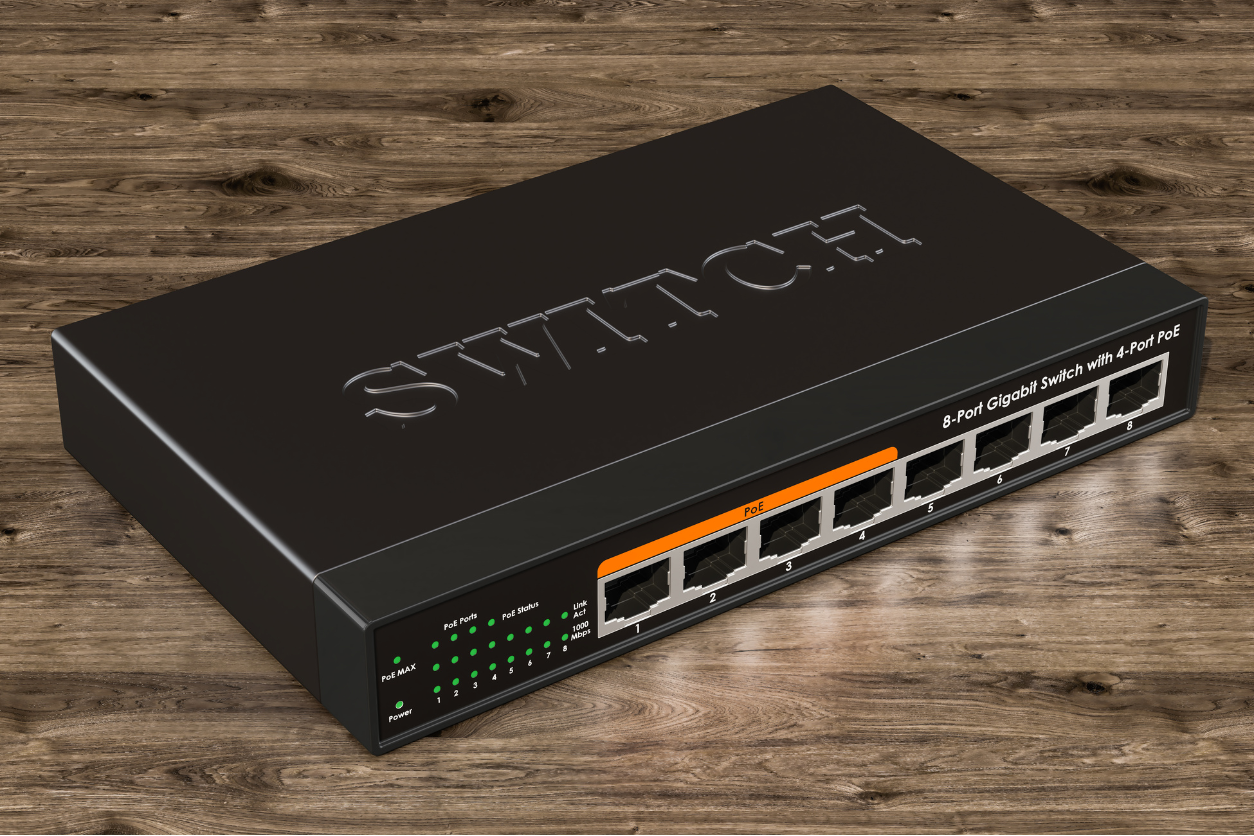
I initially chose a network switch after dealing with constant slowdowns in my home network. With several devices—laptops, smart TVs, gaming consoles, and IoT gadgets—all fighting for bandwidth, my old router just couldn’t keep up. Everything from streaming to working from home suffered. I realized I needed something to efficiently manage the traffic and reduce congestion.
That’s when I turned to a switch. It immediately improved performance by allocating dedicated paths for each device, avoiding unnecessary data flow, and reducing delays. I also wanted something more reliable than Wi-Fi, especially for my high-demand devices, so wired connections via the switch gave me that extra stability and speed.
It turned out to be a simple but effective solution that gave my home network the boost it desperately needed.
What is a Network Switch?
A network switch is a device that connects multiple devices within a local area network (LAN) and manages the flow of data between them. Unlike a simple hub, which sends data to all connected devices, a switch sends data only to the device it’s intended for.
This helps avoid network congestion and ensures smoother, faster communication. It operates by using MAC addresses to forward data packets precisely to the right device. So, essentially, a switch creates dedicated, direct paths for data, which prevents traffic jams and maximizes bandwidth.
Reasons Why I Chose a Network Switch in the First Place
Below, I will list some of the capabilities of this small box and how it transformed my home network.
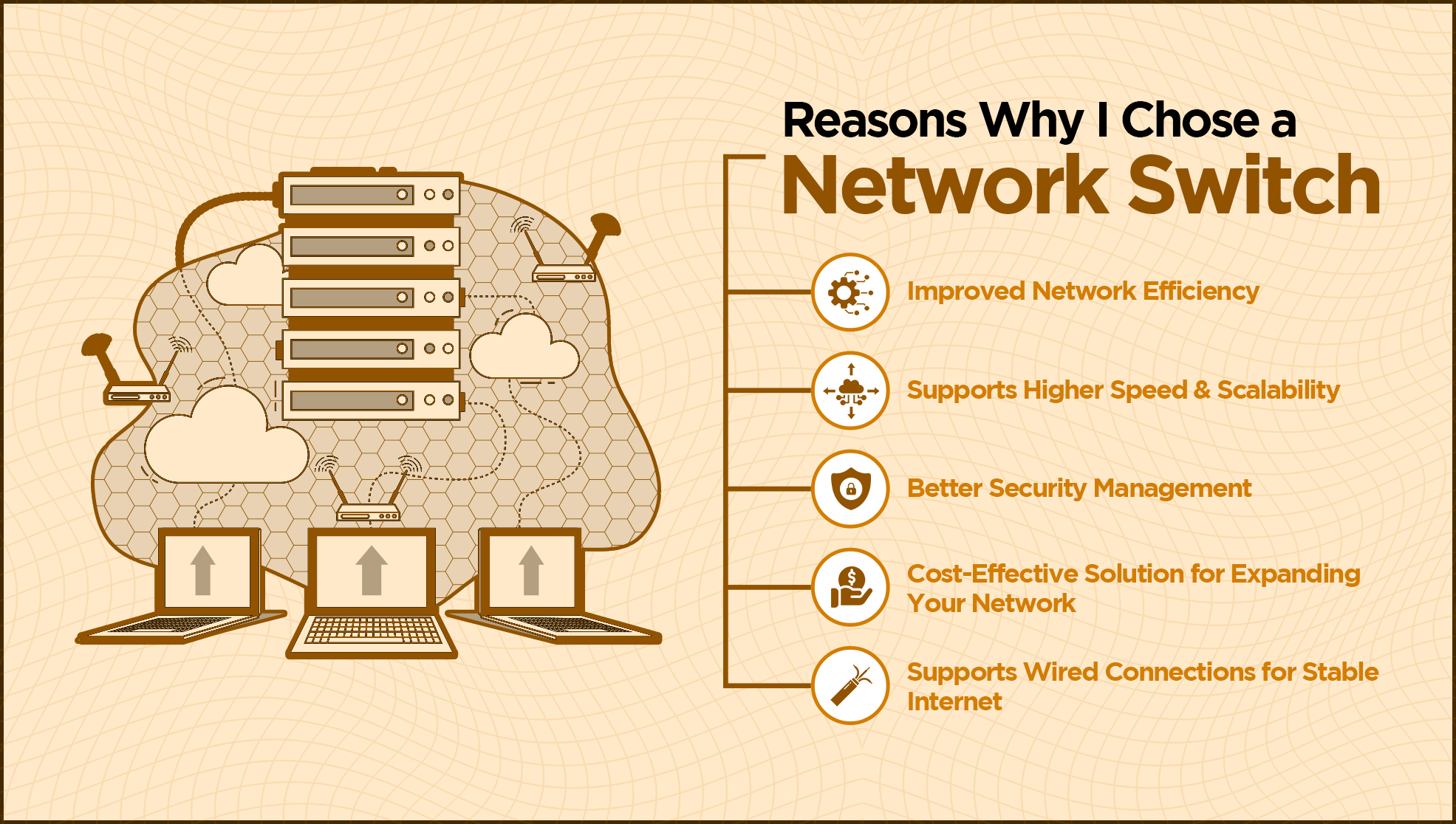
Improved Network Efficiency
The first major reason I decided to switch to a network switch was to improve network efficiency. My old setup, with a simple router and multiple devices connected via Wi-Fi, often resulted in bottlenecks, especially when everyone in the house was streaming content, gaming, or working from home.
A network switch solved that problem by creating dedicated paths between devices. Unlike an unmanaged hub, which sends data to all devices and creates unnecessary traffic, the switch ensures that each device gets data directly, without interference. This means less congestion (more on that later), better bandwidth usage, and a substantial improvement in overall performance.
The switch operates using a system called packet switching. It assigns each device a unique MAC address, and based on that, it forwards data packets only to the right destination.
This minimizes the unnecessary transmission of data, allowing for smoother and faster connections across the network. In short, the switch made my network far more efficient and kept things flowing without interruption.
Supports Higher Speed and Scalability
One of the biggest advantages of using a switch is its ability to support higher speeds, which became particularly important for me as my network demands grew. I have several high-bandwidth devices in my home—like my gaming console, which demands fast data for online gaming, and my smart TV which streams 4K content. Without the right hardware, handling these devices together would’ve been a nightmare.
When I upgraded to a Gigabit Ethernet switch, it was a game changer. Gigabit switches can handle up to 1,000 Mbps, and this level of bandwidth is necessary for high-demand applications.
As my internet connection speed increased, I needed a solution that could handle these demands without slowing things down. A network switch provided the high-speed connection I needed to ensure that all my devices could operate at full capacity without any hiccups.
Better Security Management
Security is another crucial reason I opted for a switch. With so many devices in my home, including IoT gadgets like security cameras and smart thermostats, I wanted to make sure my network was properly segmented to avoid any security risks.
A network switch allows you to create Virtual Local Area Networks (VLANs), which help isolate different devices or groups of devices from each other. For instance, I can keep my sensitive devices, like my laptop and phone, separate from my smart home devices, reducing the risk of malware or other security threats spreading across the network.
If one device becomes compromised, the switch can contain the issue within a specific VLAN, preventing it from affecting other devices on the network. This added layer of security gives me peace of mind, knowing that I have more control over what happens on my network.
Cost-Effective Solution for Expanding Your Network
Unlike a router, which can be expensive to upgrade just to add more ports, a switch offers a more affordable option. For internal communication within the same network, a switch is much more efficient and cost-effective.
Instead of investing in an expensive router upgrade, I was able to add more ports to my network with a simple, affordable switch. It allowed me to scale my network as needed, without the hefty price tag of a full router upgrade.
Supports Wired Connections for Stable Internet
Finally, while Wi-Fi is convenient, I’ve always found that wired connections offer far more stability and speed. A network switch lets me connect all my devices via Ethernet cables and provides a stable, high-speed connection that Wi-Fi simply can’t match. In a home with multiple devices, especially in a smart home environment, having a reliable wired connection makes all the difference.
Ethernet connections ensure that my devices aren’t subject to the interference and speed fluctuations that can come with wireless networks by providing a solid, uninterrupted connection that I can count on.
Decades of Combined Expertise
Best Buy Guidebook is a culmination of online publishing lessons learned. From SEO to paid ads, our team has experienced the highest of highs and the lowest of lows. Our goal now is simple: Arm readers with the most information possible.