
10 Shade-Loving Trees That Practically Take Care of Themselves

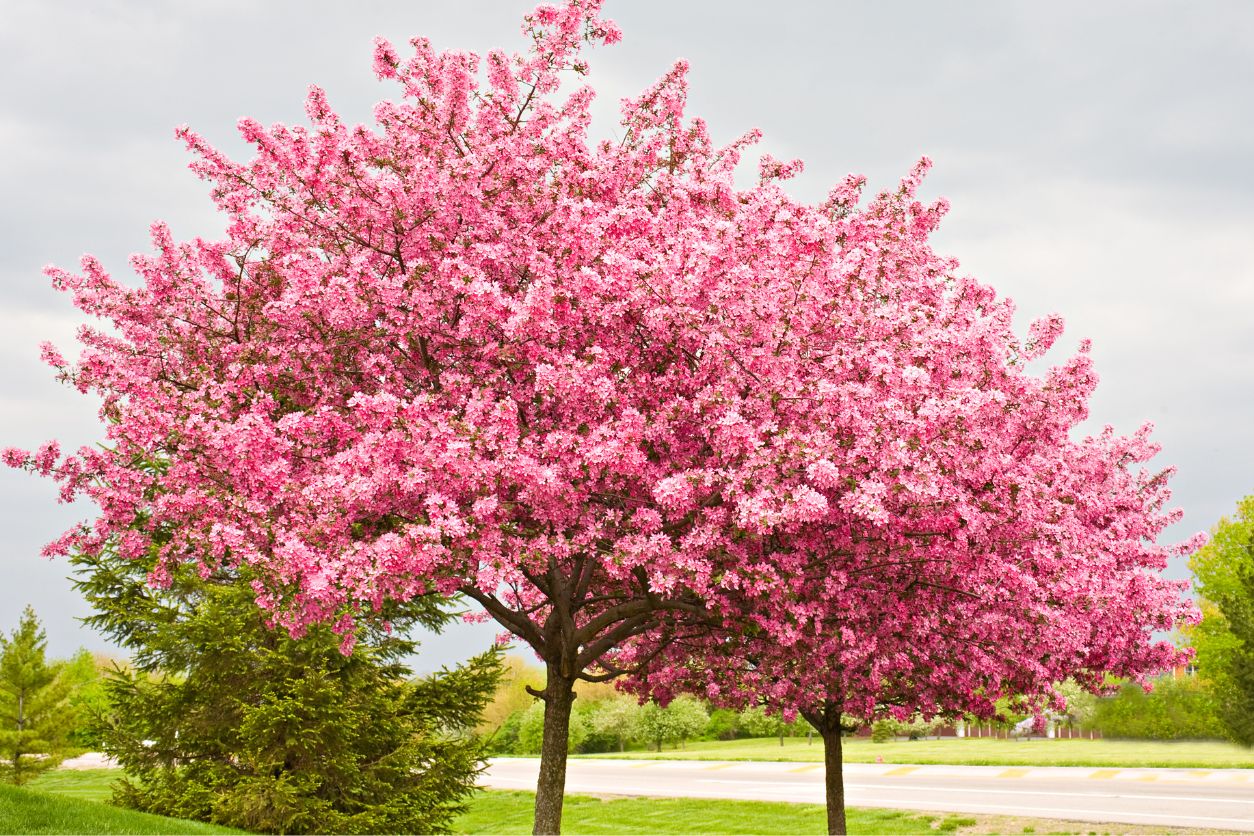
Some parts of the yard just don’t get much sun, and that’s not a design flaw. It’s a reality of mature neighborhoods, wooded lots, or any home flanked by larger structures. Instead of fighting the shade or resigning it to hostas and mulch, there’s a smarter option: plant a shade tree that actually thrives in low light. Not every tree wants full sun, and many of the best performers for shady spaces also happen to be low-maintenance.
That’s the key: these trees don’t demand constant shaping, pest control, or babying through droughts. They’re suited to the kinds of yards where time is short and conditions aren’t ideal. Some are native understory trees built for filtered light. Others bring structure, privacy, or even spring blooms—all without becoming a weekend project. For homeowners who want a yard that looks like it’s been carefully curated but doesn’t feel like another full-time job, the right shade tree makes a big difference.
Shade Trees for Your Backyard
Here’s a closer look at the kind of trees that not only handle the shade but actually prefer it, and do so without becoming a burden.
Eastern Redbud (Cercis canadensis)
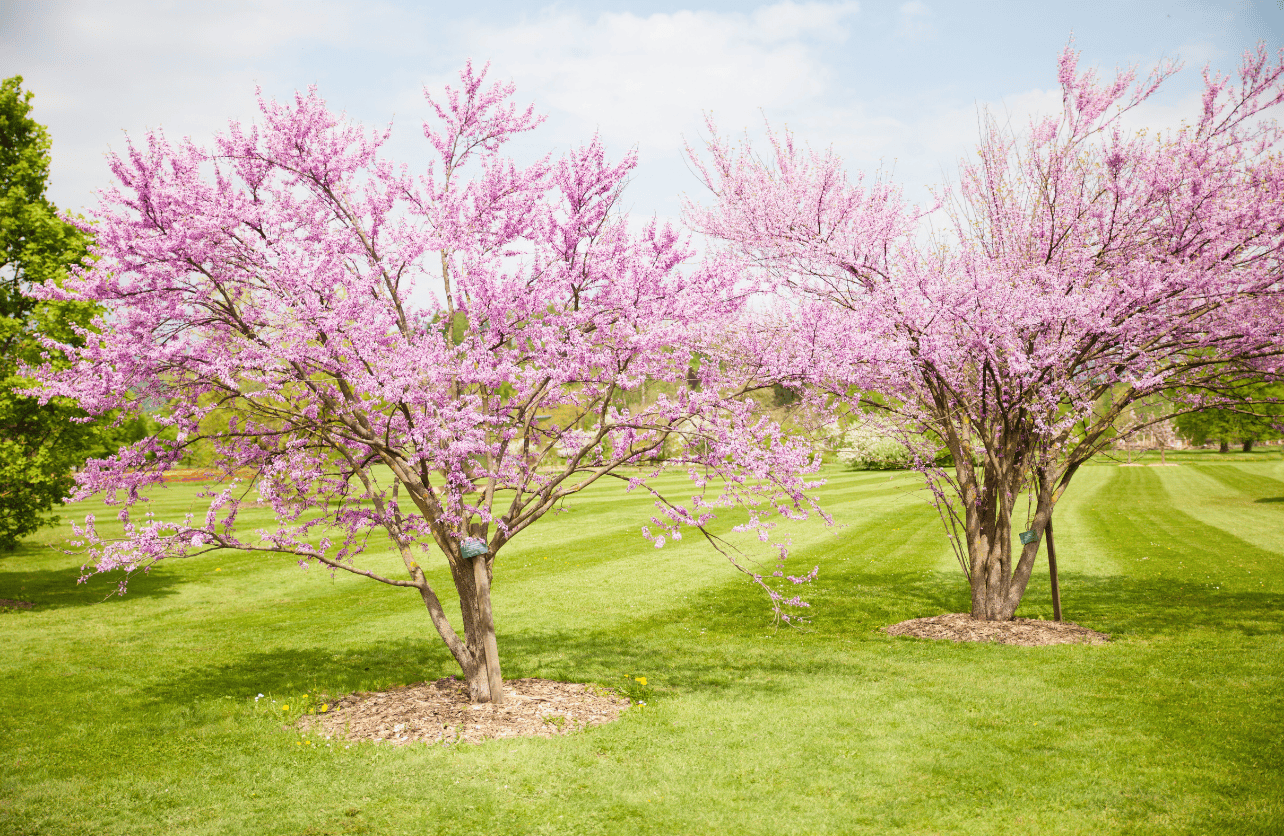
Eastern redbud finds its place easily in suburban and woodland yards alike. In early spring, before most trees have even considered waking up, its bare branches bloom with small, magenta-pink flowers.
This tree grows naturally along the edge of forests, where it’s used to competing for light. It doesn’t need perfect conditions—just decent drainage and room to spread out. Once rooted, redbud quietly does its job. It doesn’t throw brittle limbs, rarely invites pests, and even offers a soft yellow foliage show in fall.
American Hornbeam (Carpinus caroliniana)
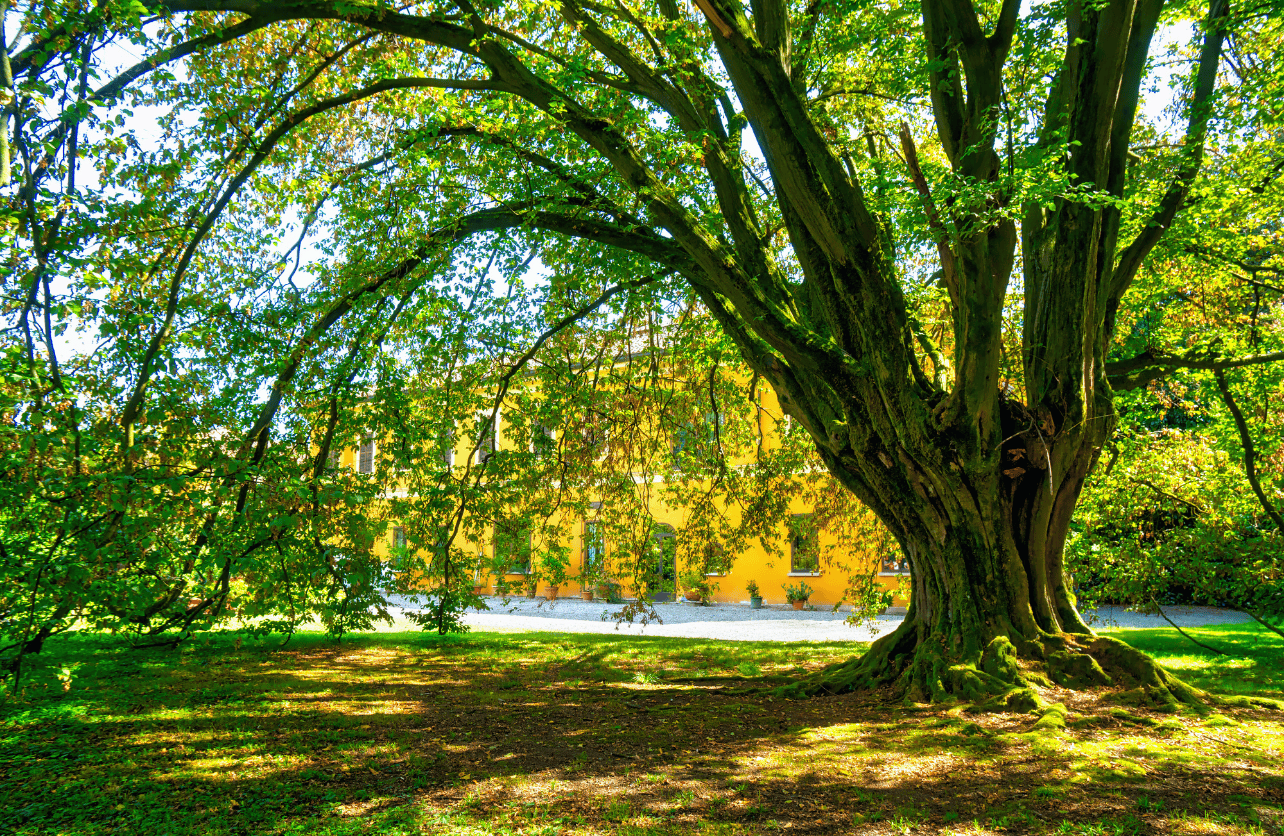
Sometimes called musclewood for the sinewy look of its trunk, American hornbeam brings quiet strength to a shady yard. It’s not flashy. It doesn’t demand the spotlight. But it holds its form beautifully, with smooth gray bark and finely serrated leaves that shift to orange and red in the fall.
Hornbeam is especially useful in spots with damp soil and filtered light—think creek beds or the edge of a wooded lot. It doesn’t lean, split, or wilt under pressure.
Japanese Maple (Acer palmatum)
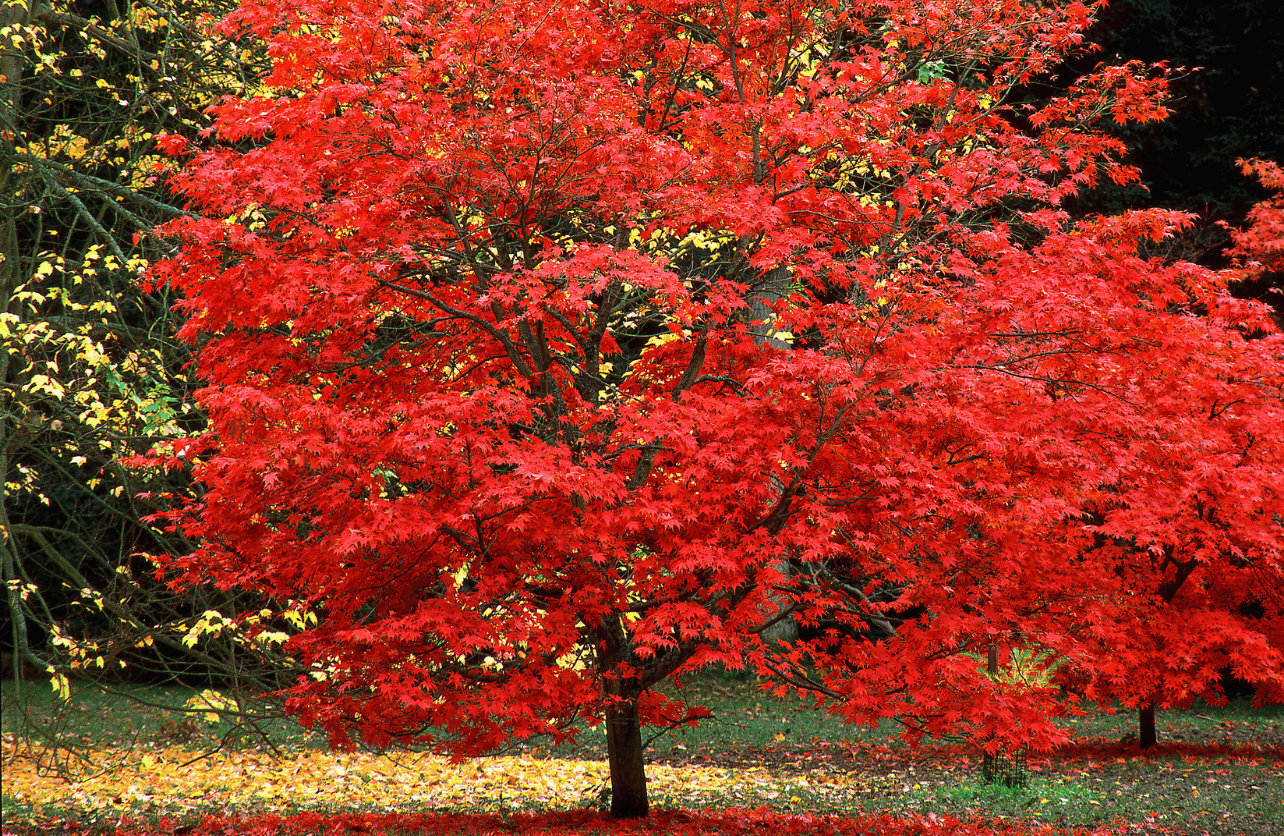
For yards that lean toward curated rather than wild, Japanese maple adds just the right amount of structure and grace. Its finely cut foliage catches dappled light in a way that softens the view. And its shape—rounded, upright, or cascading, depending on the variety—brings natural form without needing regular trimming.
Japanese maples prefer afternoon shade, especially in hotter climates, and reward that protection with steady growth and strong leaf color. Once established, they ask for very little. No staking, no pruning beyond a gentle correction here or there. Just keep the soil consistent, and let the tree do the rest.
Serviceberry (Amelanchier spp.)
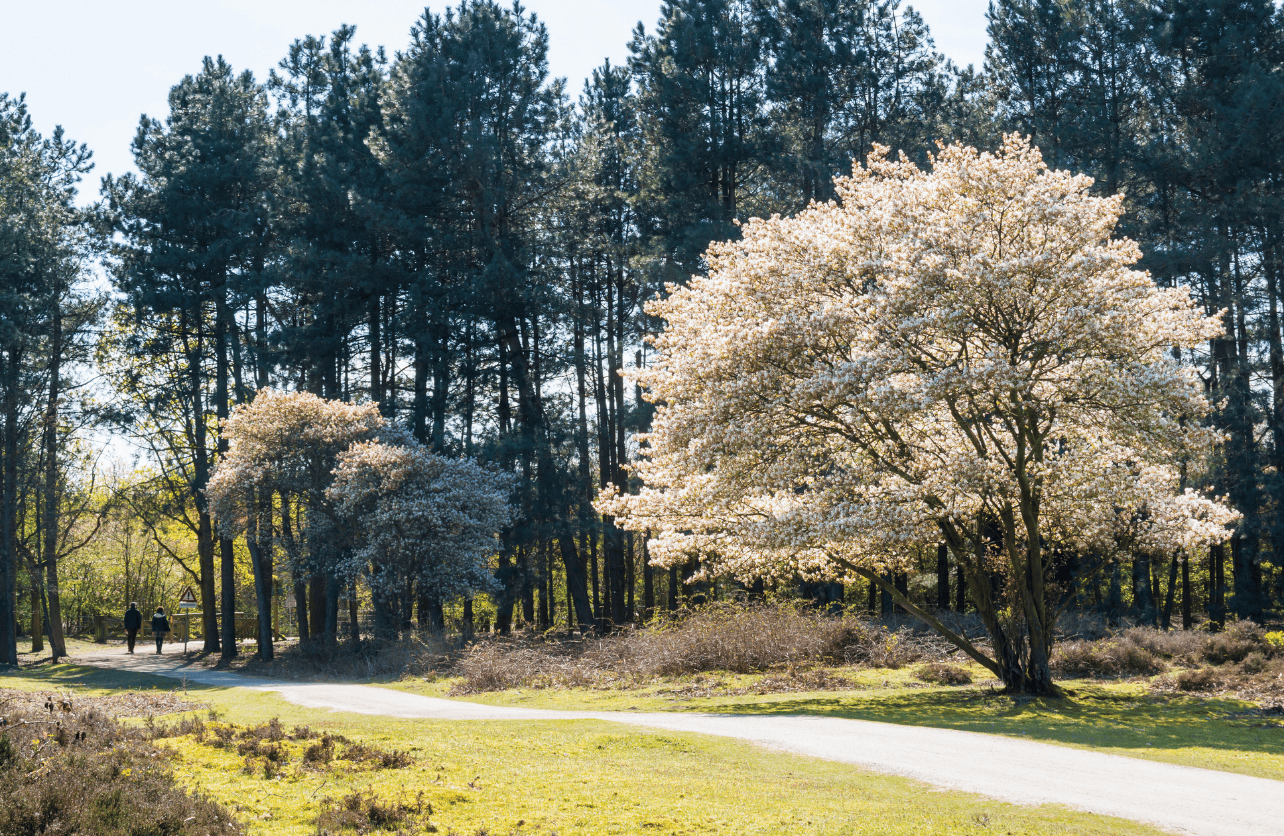
Serviceberry quietly checks off a long list of homeowner wants: four-season interest, native status, wildlife-friendly, and low maintenance. It flowers in early spring with white blossoms, produces small berries in early summer that birds appreciate, and shifts to fiery oranges and reds in fall.
While it tolerates sun, it actually thrives in partial shade, especially in locations where water might be inconsistent. The tree keeps a manageable size, perfect for planting near patios or walkways, and rarely needs pruning unless shaping is desired.
American Holly (Ilex opaca)
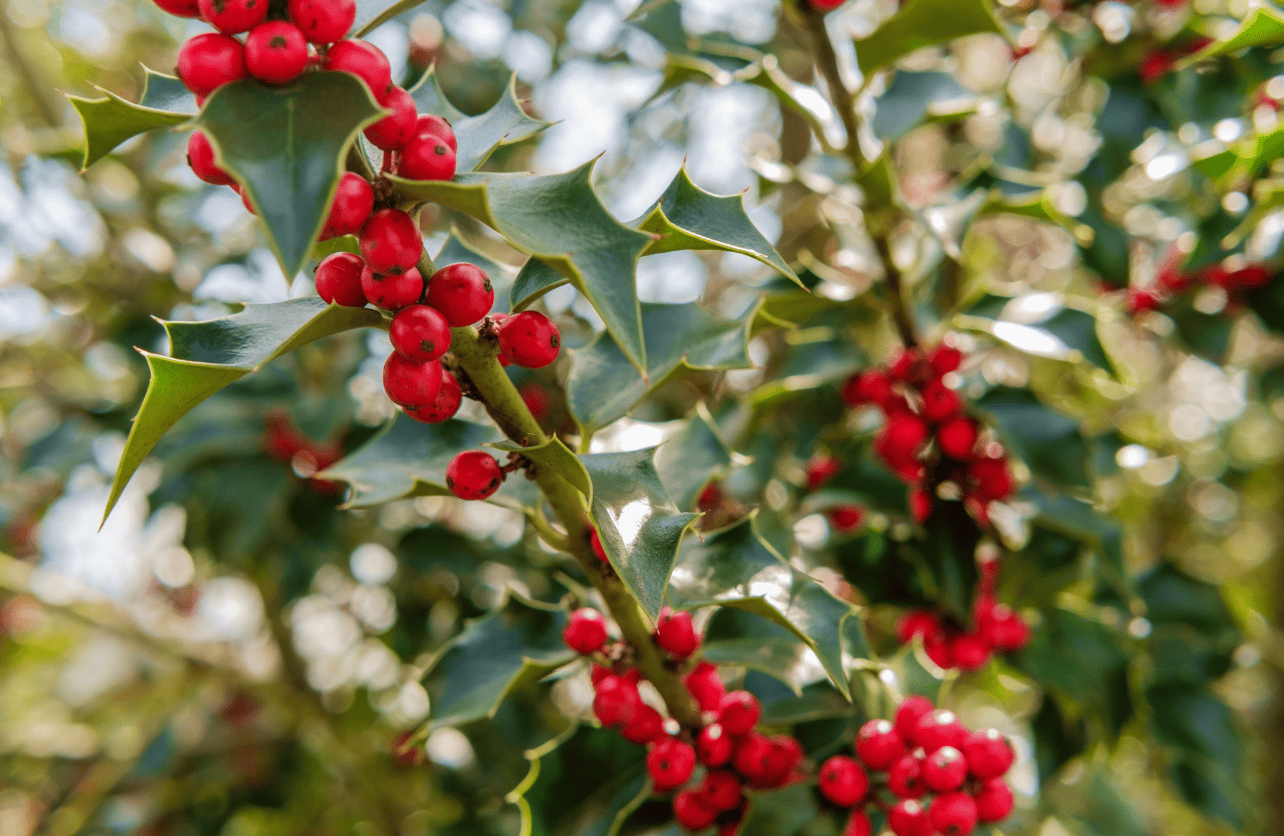
Shade doesn’t have to mean losing greenery in winter. American holly keeps its broad, dark leaves year-round, offering structure and color when everything else has faded. It naturally grows beneath taller canopies and adapts well to filtered light or even deeper shade once mature.
Unlike many evergreens, it tolerates drought, doesn’t drop a mess of needles, and resists most common pests. The bright red berries that appear in late fall add color—and a food source for birds—without any extra effort on your part.
Blackhaw Viburnum (Viburnum prunifolium)
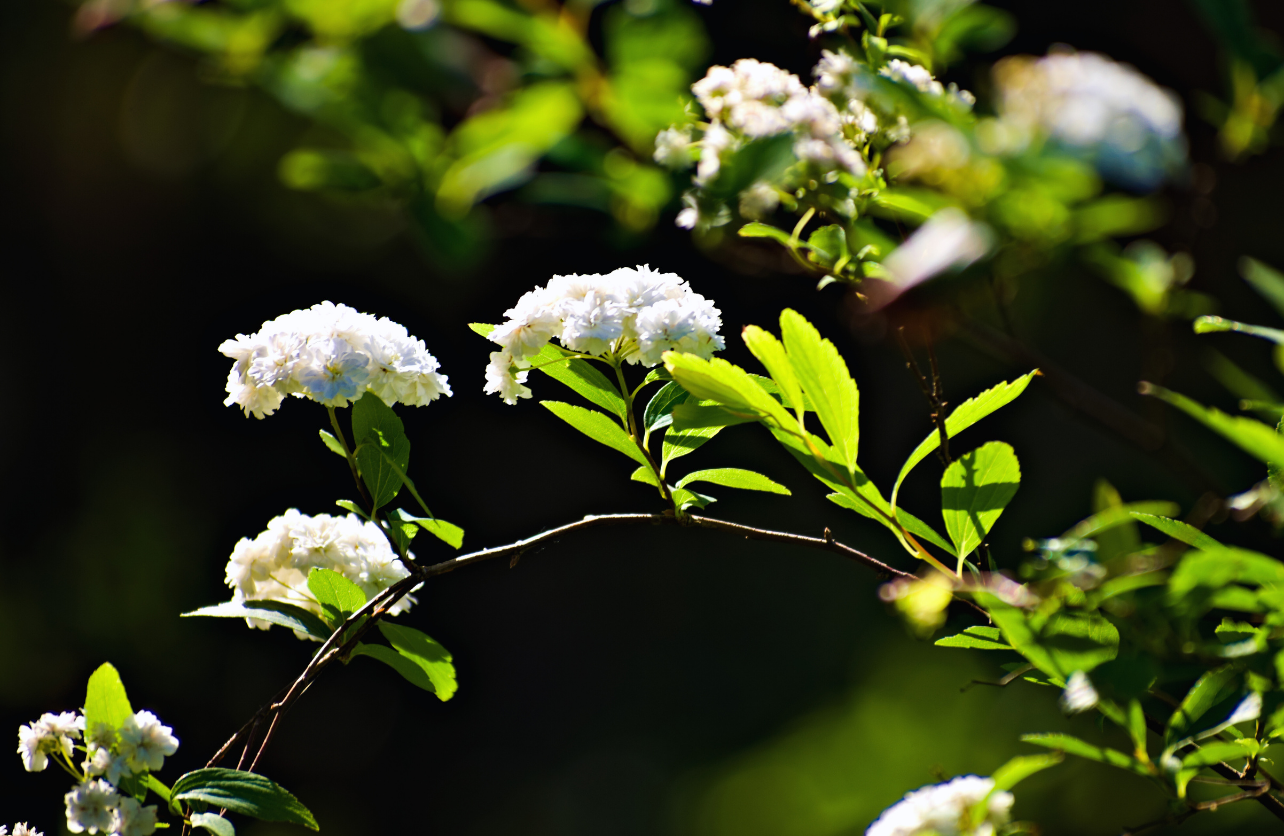
Blackhaw sits somewhere between shrub and small tree, but either way, it’s a reliable performer in shady corners. This native viburnum handles tough conditions: clay soil, urban heat, and inconsistent watering. Still, it flowers in spring and holds onto dark fruit through fall. It’s an easy one to shape if needed, though it also looks great left alone.
Fringetree (Chionanthus virginicus)
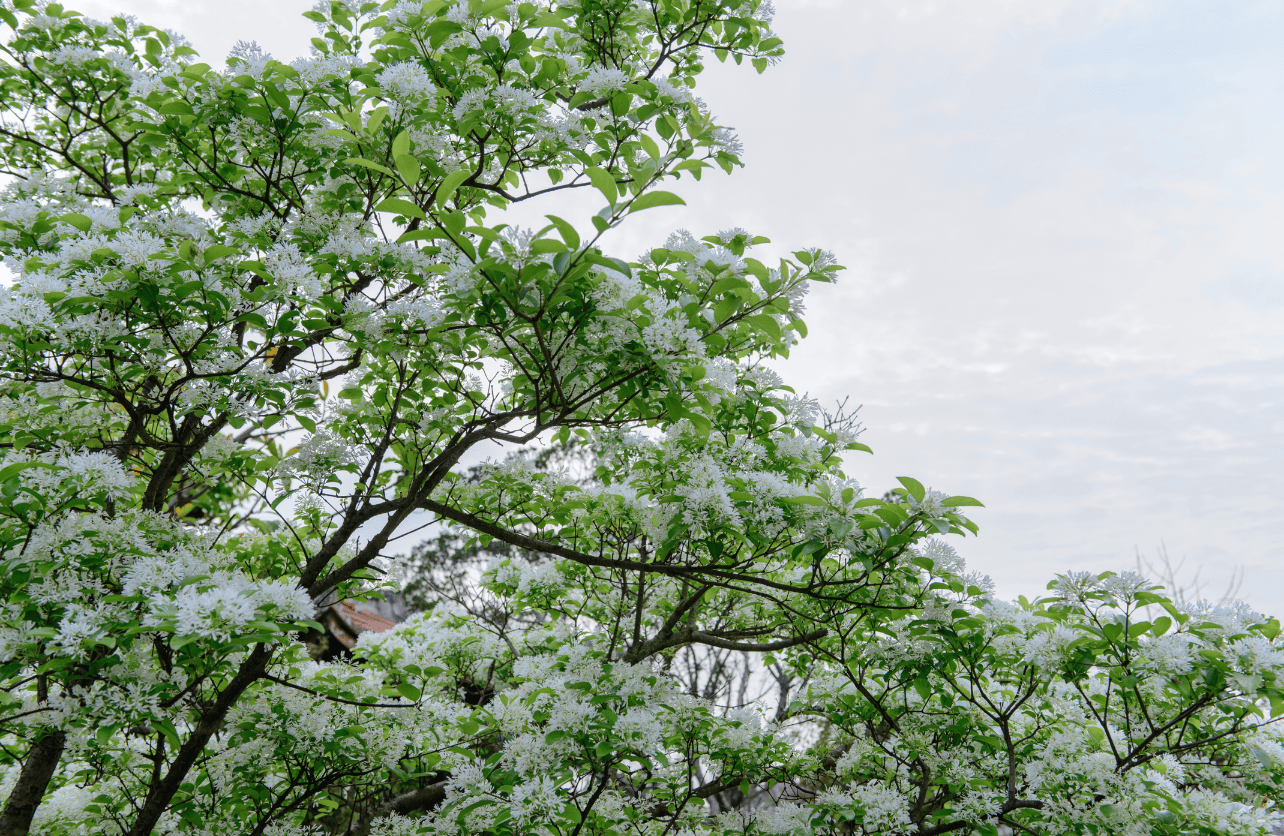
Fringetree isn’t a name that gets tossed around often, but it should be. In late spring, its branches burst into airy clusters of white flowers that look like streamers catching the breeze. The tree itself stays modest in size, which makes it well-suited to smaller yards or courtyard plantings.
It prefers partial shade and does best with consistent moisture, though it’s not overly sensitive. Once it’s in the ground, there’s very little upkeep. Just step back and let it put on its quiet show every year.
Ironwood (Ostrya virginiana)
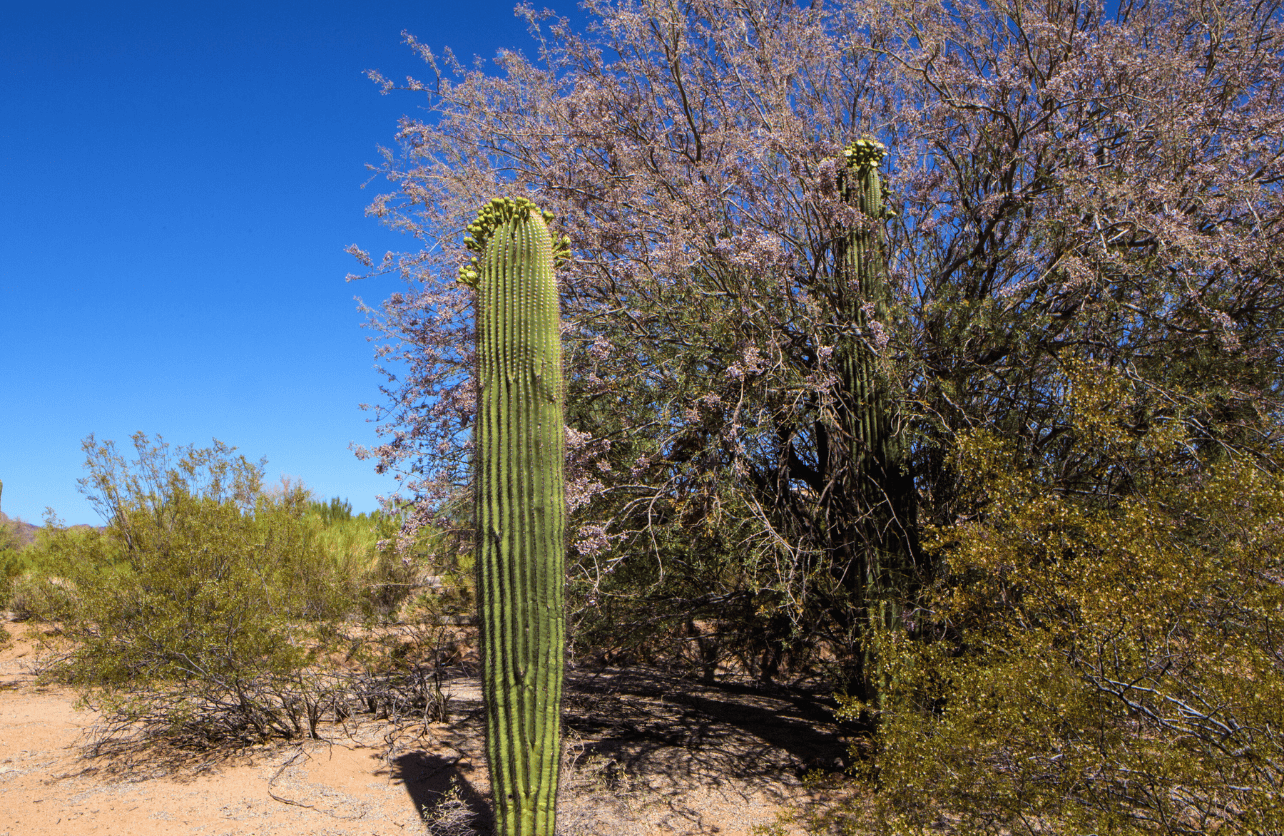
Tough and understated, ironwood has a dense, sturdy build that stands up to both wind and neglect. It naturally grows as an understory tree in forests across eastern North America, so it knows how to get by with minimal sun and maximum root competition. Its hop-like seed clusters give it a unique look in summer, and the bark develops a rich texture over time.
Allegheny Serviceberry (Amelanchier laevis)
Similar to its cousin, the Allegheny serviceberry leans more delicately in its structure. Its smoother bark and finer twigs give it an elegant profile that works well in semi-shady borders or near water features.
The fruit, while edible, is mostly for the birds. Once it’s planted, this tree largely takes care of itself. It holds its shape, stays disease-resistant, and brings soft fall color to the garden without asking for much in return.
Pagoda Dogwood (Cornus alternifolia)
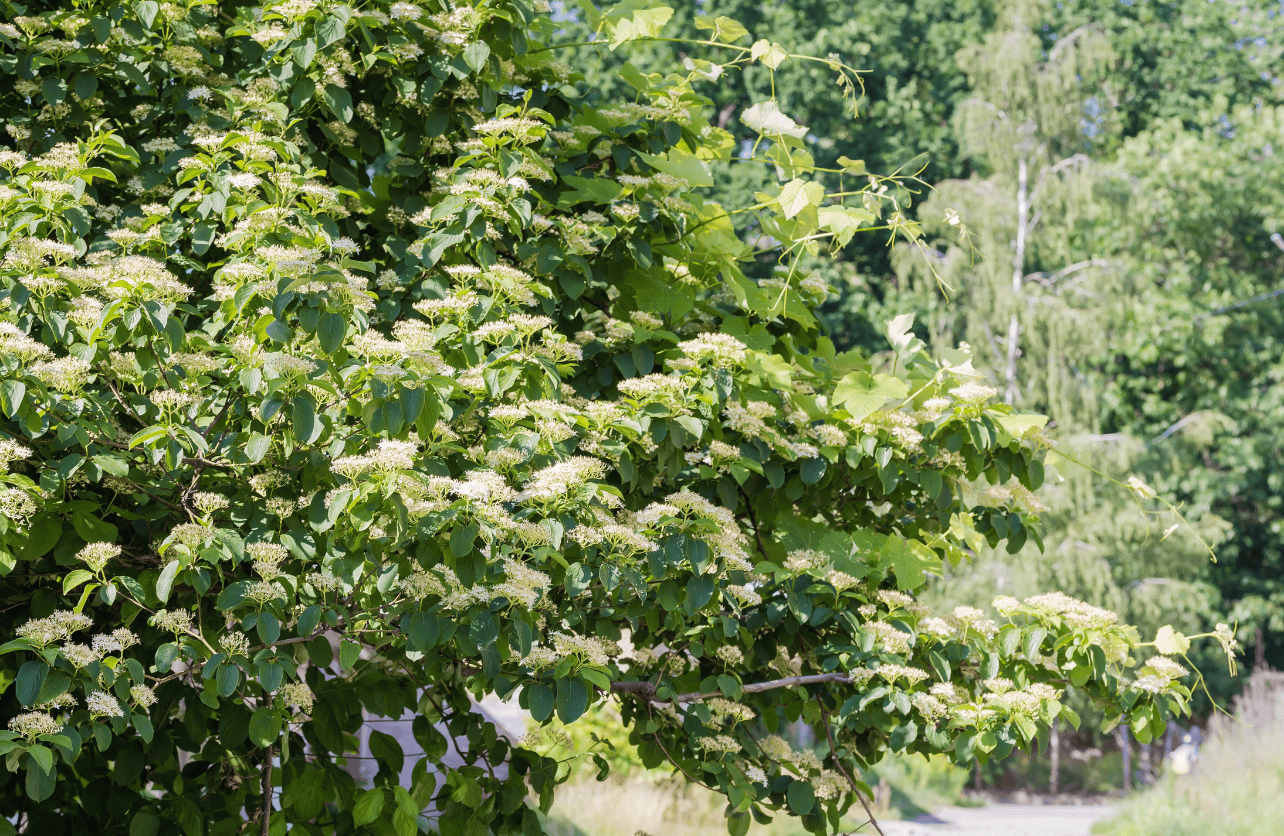
Named for its distinct horizontal branching, pagoda dogwood layers itself like a sculpture. This tree does best in partial to full shade and prefers cooler spots with consistent moisture. It’s the kind of tree that gives structure to a shady bed or woodland garden without overwhelming it.
Creamy flowers bloom in late spring, followed by berries that darken to blue as summer ends. Wildlife loves it. Landscapers do too, mostly because it stays neat on its own. With no aggressive roots or spreading habits, it’s one of the easiest small shade trees to live with.
Decades of Combined Expertise
Best Buy Guidebook is a culmination of online publishing lessons learned. From SEO to paid ads, our team has experienced the highest of highs and the lowest of lows. Our goal now is simple: Arm readers with the most information possible.