
10 Ginger Plants That Belong in Every Home Garden

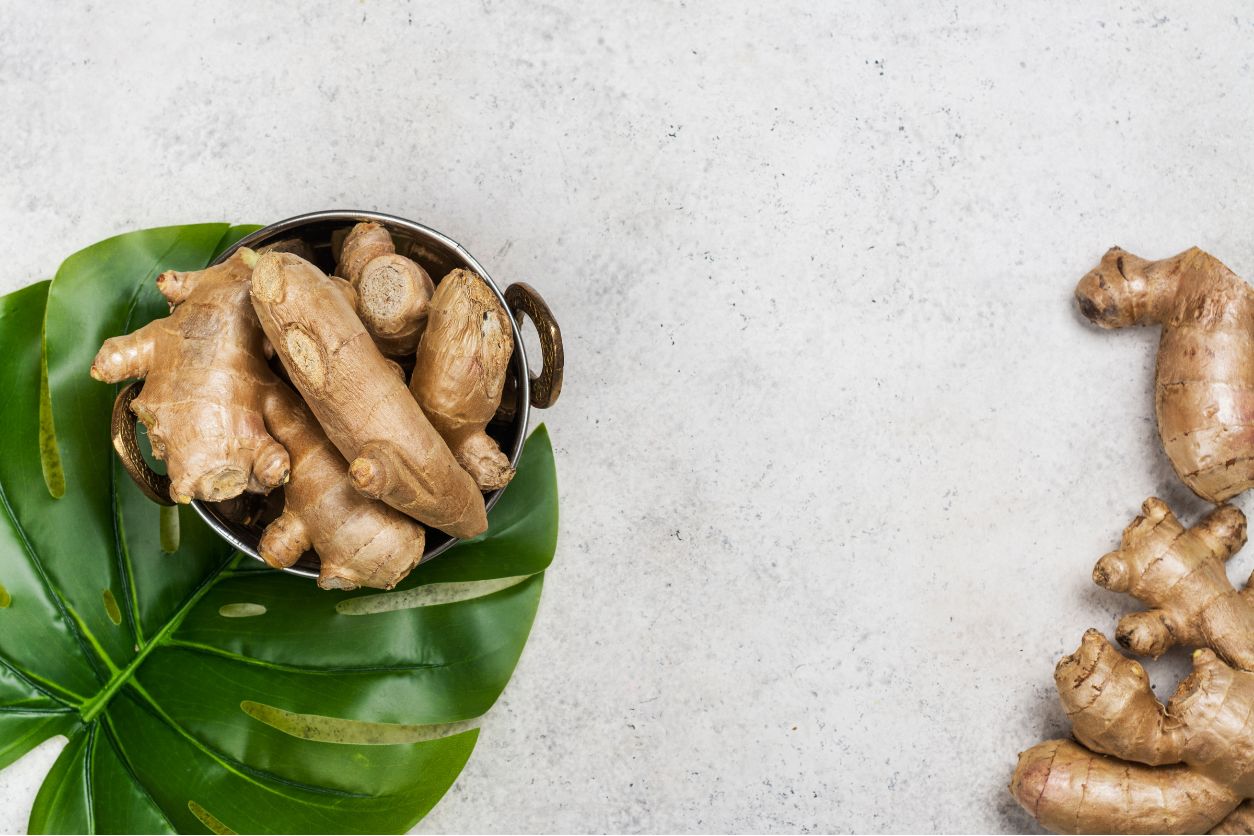
Ginger plants deserve a spot in more home gardens, not just for their culinary roots, but for their versatility, texture, and presence. Most people think of ginger as something you slice into a stir-fry or steep in tea, but step outside the kitchen and you’ll find a whole world of ornamental and aromatic species worth growing. Some are grown for bold, tropical blooms, others for lush foliage, and a few offer surprising bonuses like natural fragrances or traditional skincare uses.
Growing a ginger plant is not difficult at all. With partial shade, a warm spot, and decent drainage, many ginger varieties do just fine, whether tucked into a garden bed or nestled in a pot on the patio. You don’t need to live in a rainforest to grow them, though they’ll certainly appreciate humidity and a little protection from harsh sun.
Below are ten ginger plants that bring something a little different to the table. Some are quiet growers with sculptural leaves. Others bloom like fireworks. But each one earns its keep and then some.
1. Common Ginger (Zingiber officinale)
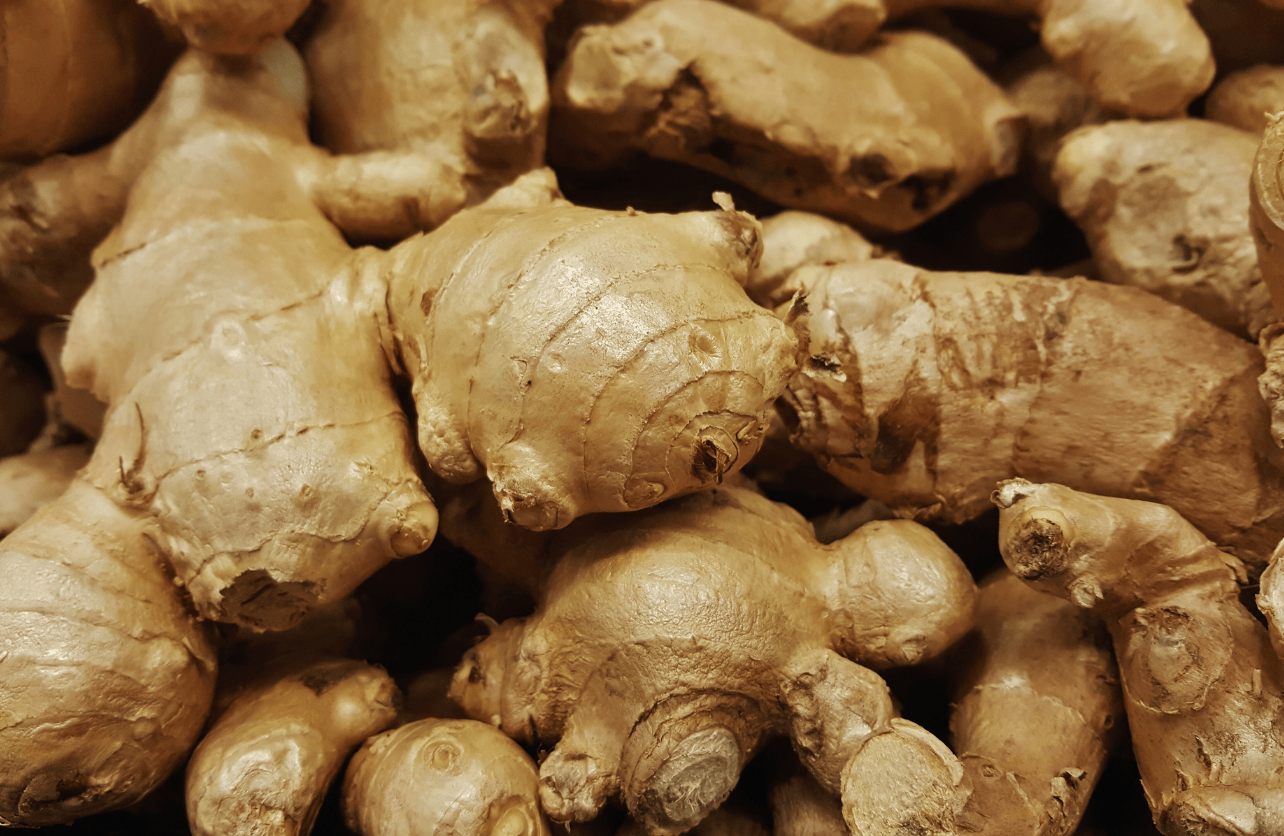
This is the one you know—the root in your kitchen. But if you’ve never seen it growing, you’re missing out. Common ginger sends up sleek green stalks with long, elegant leaves, almost like ornamental grass. It’s not flashy, but that’s part of its charm.
Grow it in a container or raised bed, and when the time comes, dig up a few rhizomes and use them fresh. Even if you don’t harvest often, it’s a plant that sits well in the background while you enjoy everything else around it.
2. Butterfly Ginger (Hedychium coronarium)
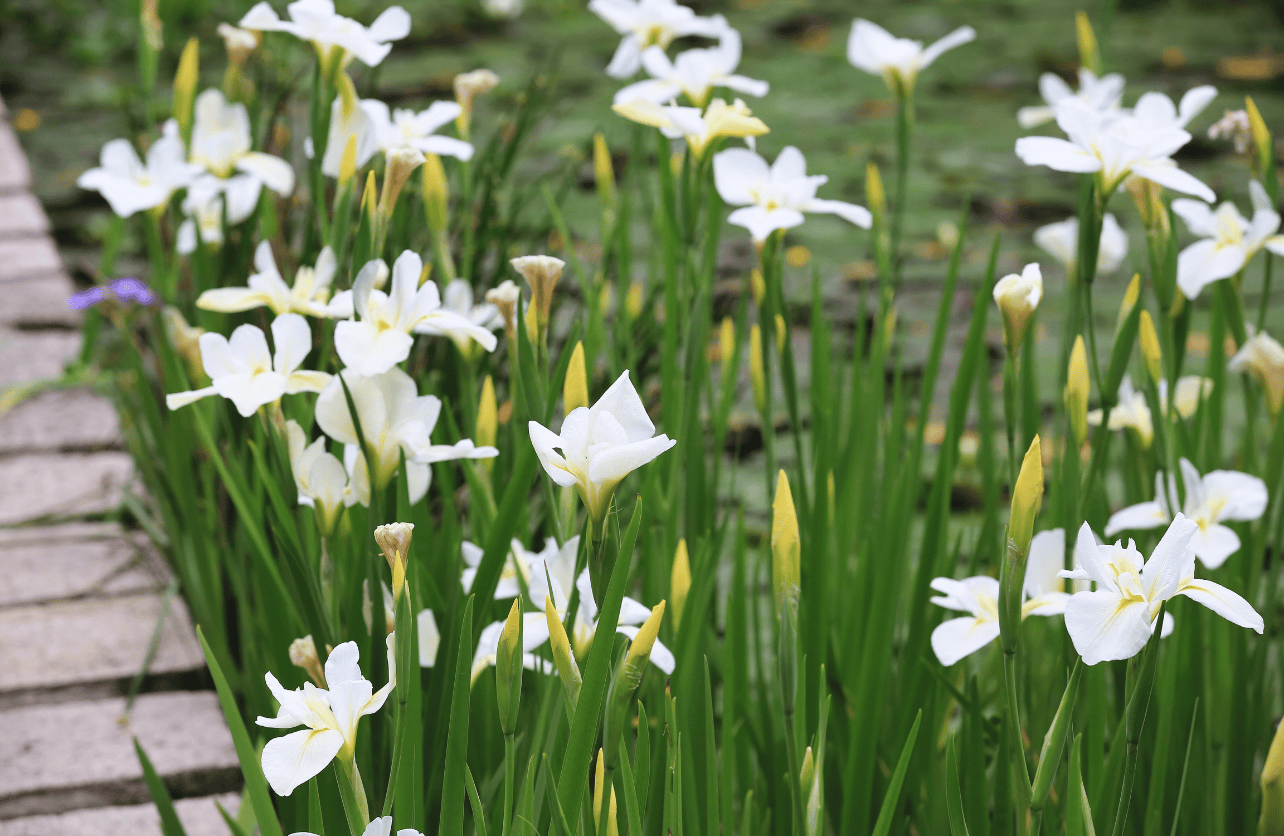
Some plants stop you in your tracks. Butterfly ginger is one of them. Tall stems hold clusters of creamy white flowers that resemble moths mid-flight, and they smell as good as they look.
It’s happiest in a bit of shade and moist soil. Give it room, and it’ll form thick, tropical-looking clumps that bloom late in the season when most other plants are winding down.
3. Shell Ginger (Alpinia zerumbet)
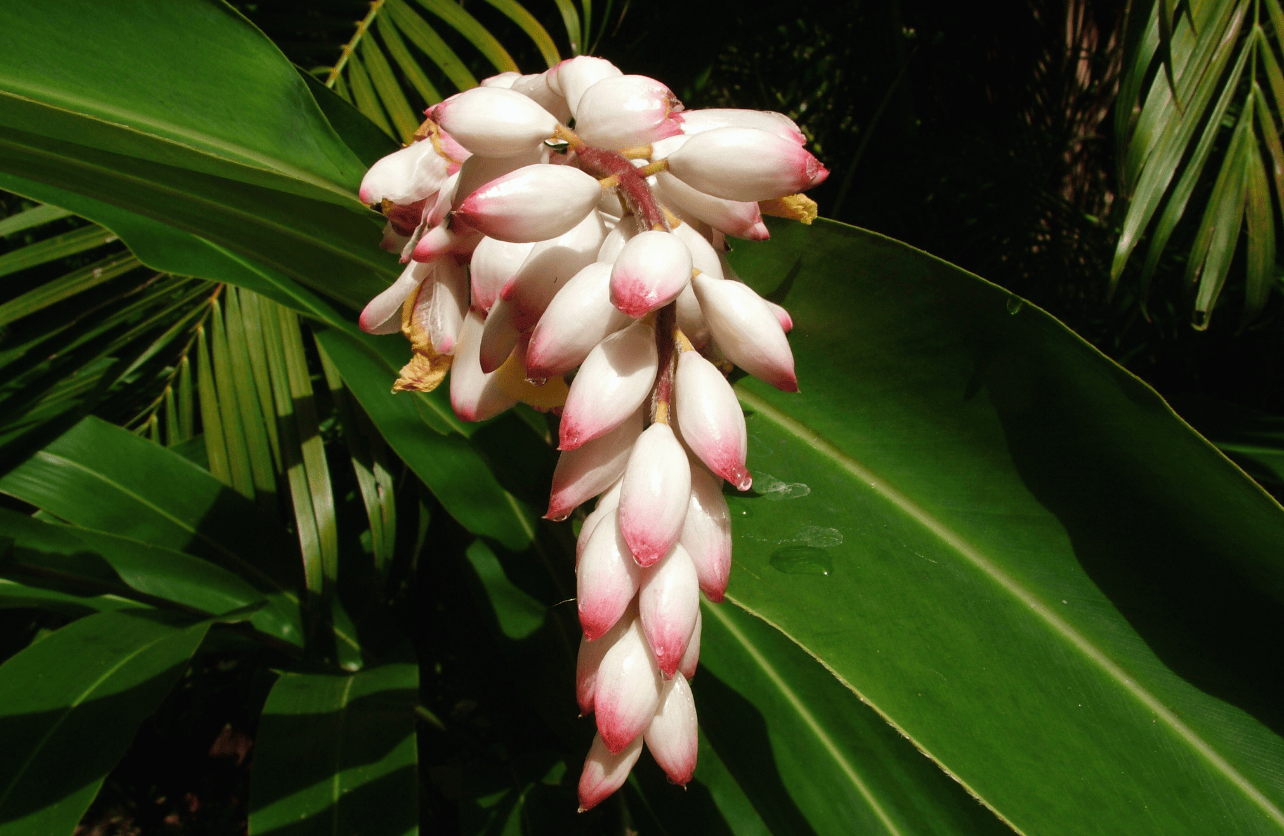
If your garden needs a boost of color—even without flowers—shell ginger does the job. Its variegated form puts out bold yellow-striped leaves that catch light and brighten up shady spots.
While it does flower, the real draw here is the foliage. The plant holds its shape well and works beautifully as a visual anchor in borders or as a container statement piece. It’s also relatively easy to divide and propagate, which makes it a generous plant in more ways than one.
4. Turmeric (Curcuma longa)
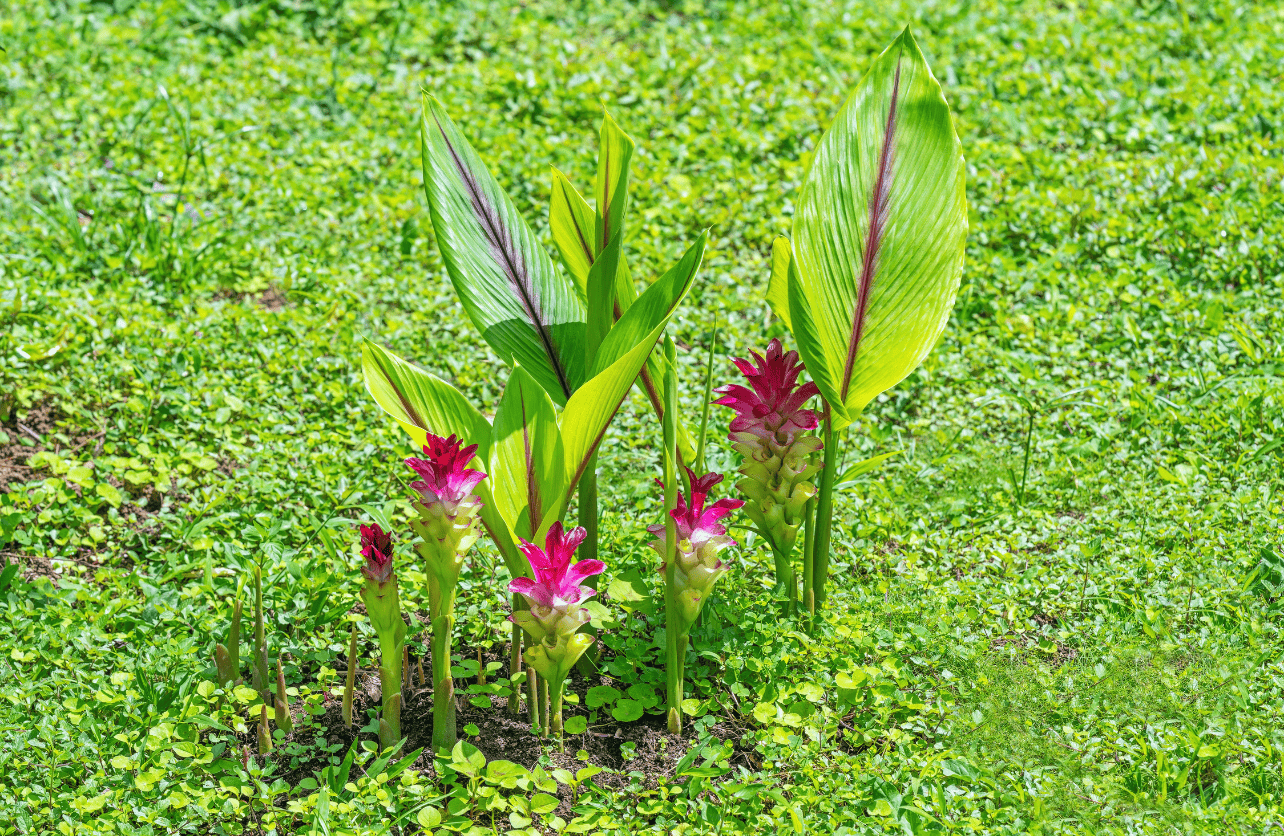
Turmeric isn’t just a pantry staple, it’s a surprisingly handsome plant. Its wide, upright leaves lend a tropical feel to small spaces, and in midsummer, it sends up a thick flower spike that rises right from the center of the clump.
Like its cousin, common ginger, it grows from rhizomes and does best in a container or raised bed where the soil stays warm. Come fall, you can harvest and dry the roots—or leave them to bulk up for next season.
5. Hidden Ginger (Curcuma spp.)
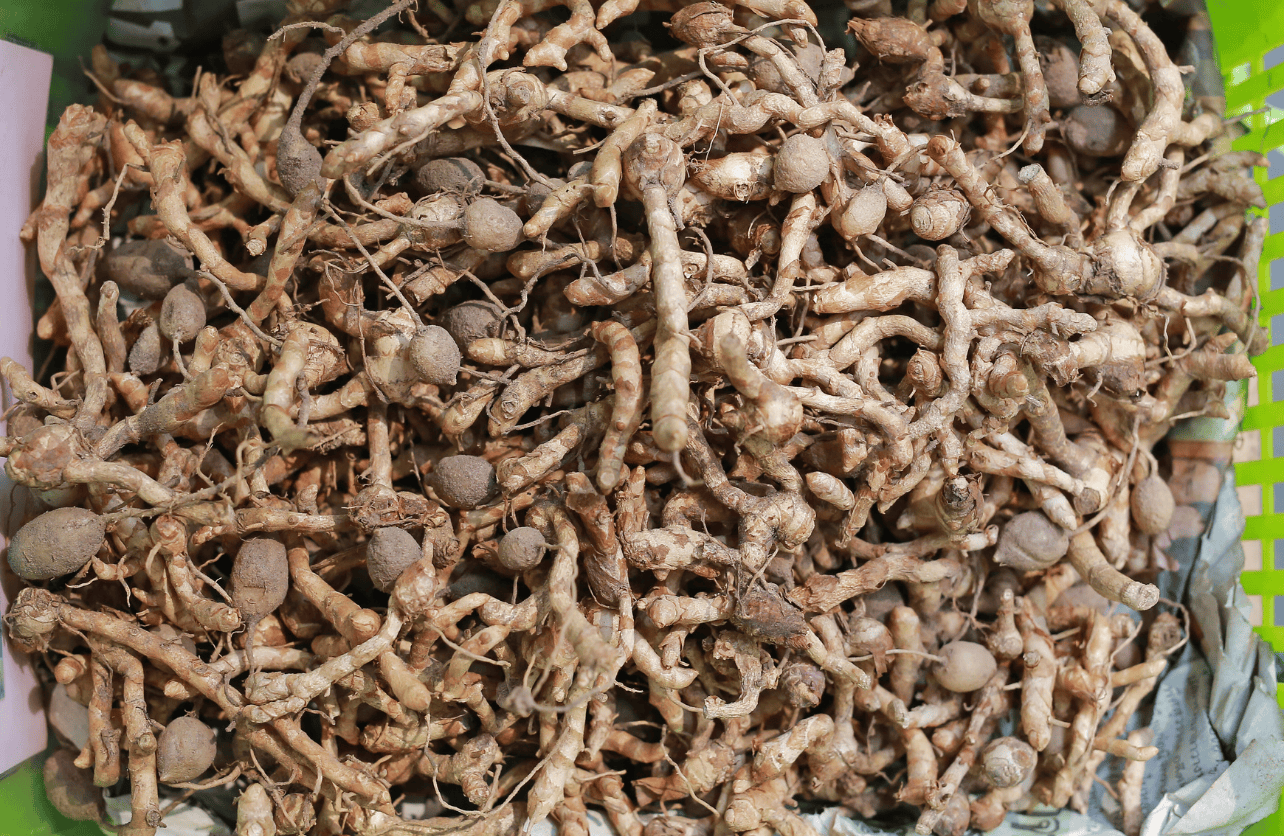
Hidden ginger gets its name from the way its flowers emerge, often directly from the soil, nestled beneath broad, tidy leaves. The effect is subtle but striking, especially when the bracts glow in shades of magenta, coral, or chartreuse.
It’s a plant that likes quiet corners. Tuck it under trees or next to a wall where it won’t get blasted by the sun, and let the surprise of the blooms catch your eye at the right moment.
6. Red Ginger (Alpinia purpurata)
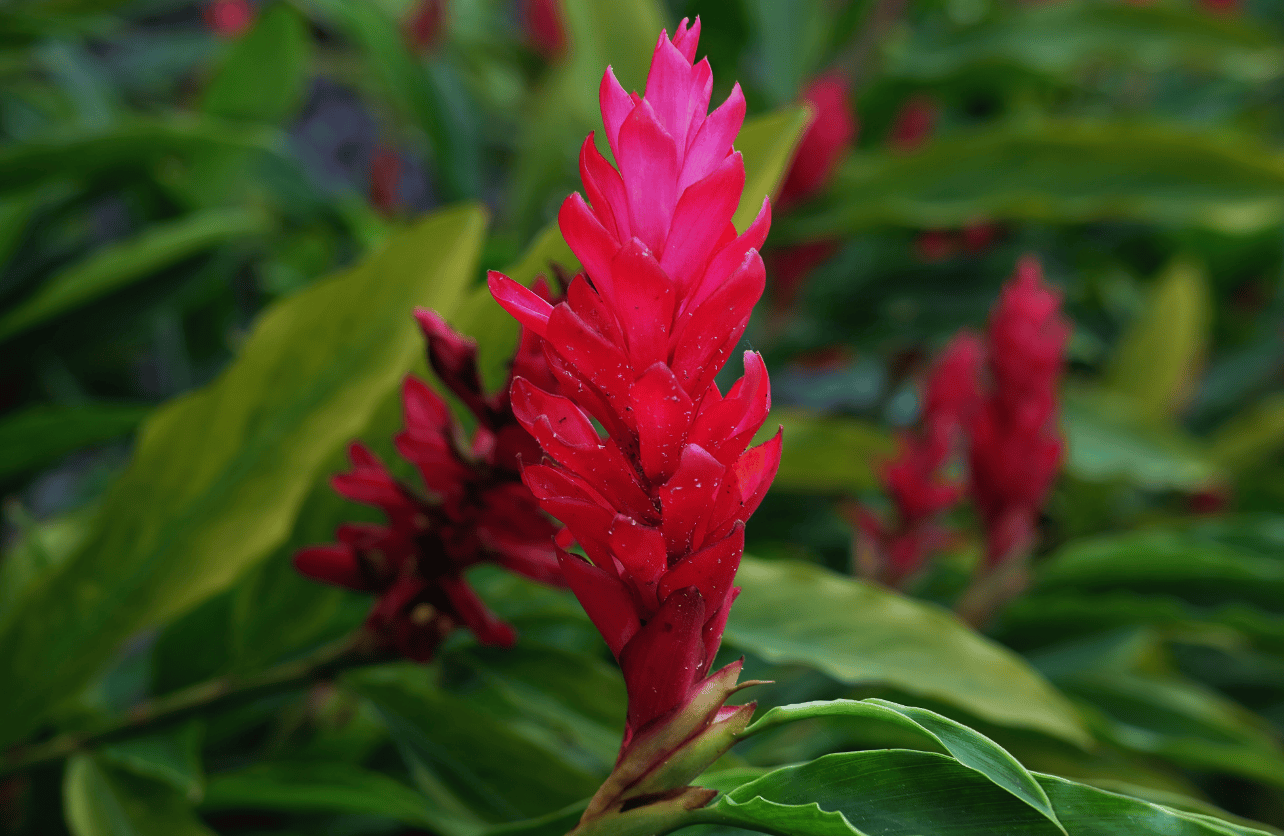
This is a plant that doesn’t play small. Red ginger grows tall and upright, with flaming red bracts that rise above the foliage like torches. Even after the bloom fades, the foliage keeps things lush and architectural.
It does best in warmer zones or in containers that can be moved indoors over winter. Moist soil, good drainage, and indirect light will keep it growing strong. If you want something bold that still feels grounded, red ginger strikes that balance well.
7. Peacock Ginger (Kaempferia spp.)
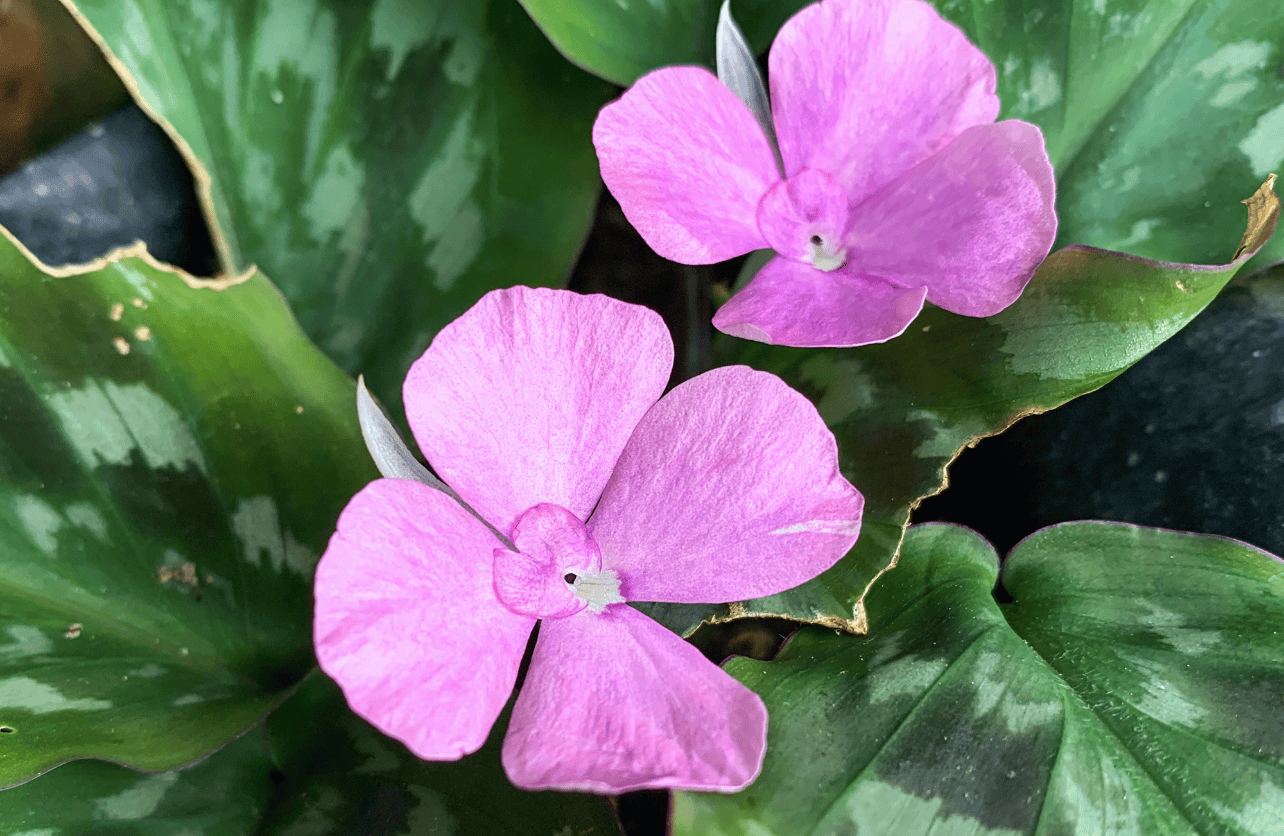
Not every ginger needs to stand tall. Peacock ginger keeps things low and compact, making it a perfect ground cover for dappled shade. Its rounded leaves often feature silvery markings or rich purple undersides. Though these details may appear small, they make a big impact up close.
8. Pinecone Ginger (Zingiber zerumbet)
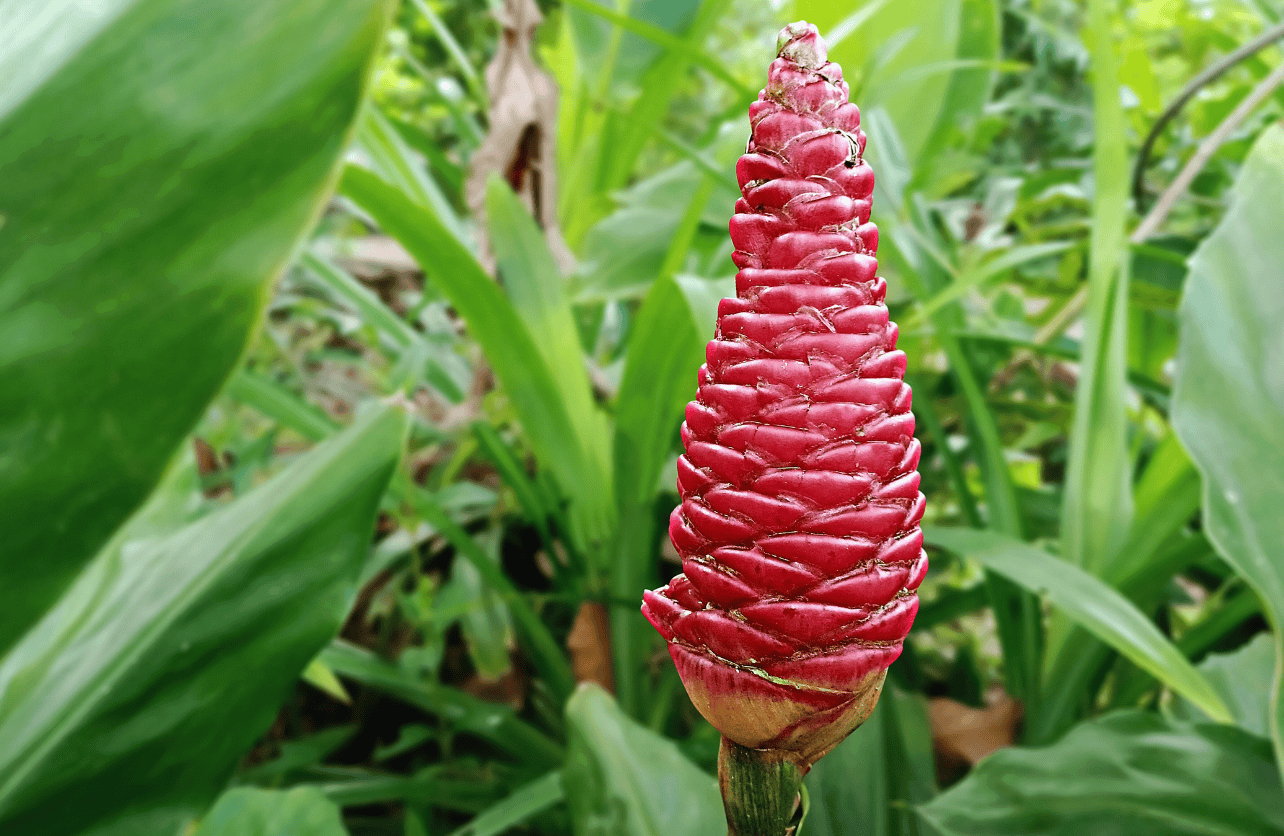
Sometimes called shampoo ginger, this plant produces reddish, pinecone-shaped bracts filled with a fragrant liquid that’s been traditionally used to wash hair and soothe skin. The plant itself is easygoing and bold, with upright stems and narrow leaves.
9. Dancing Ladies Ginger (Globba winitii)
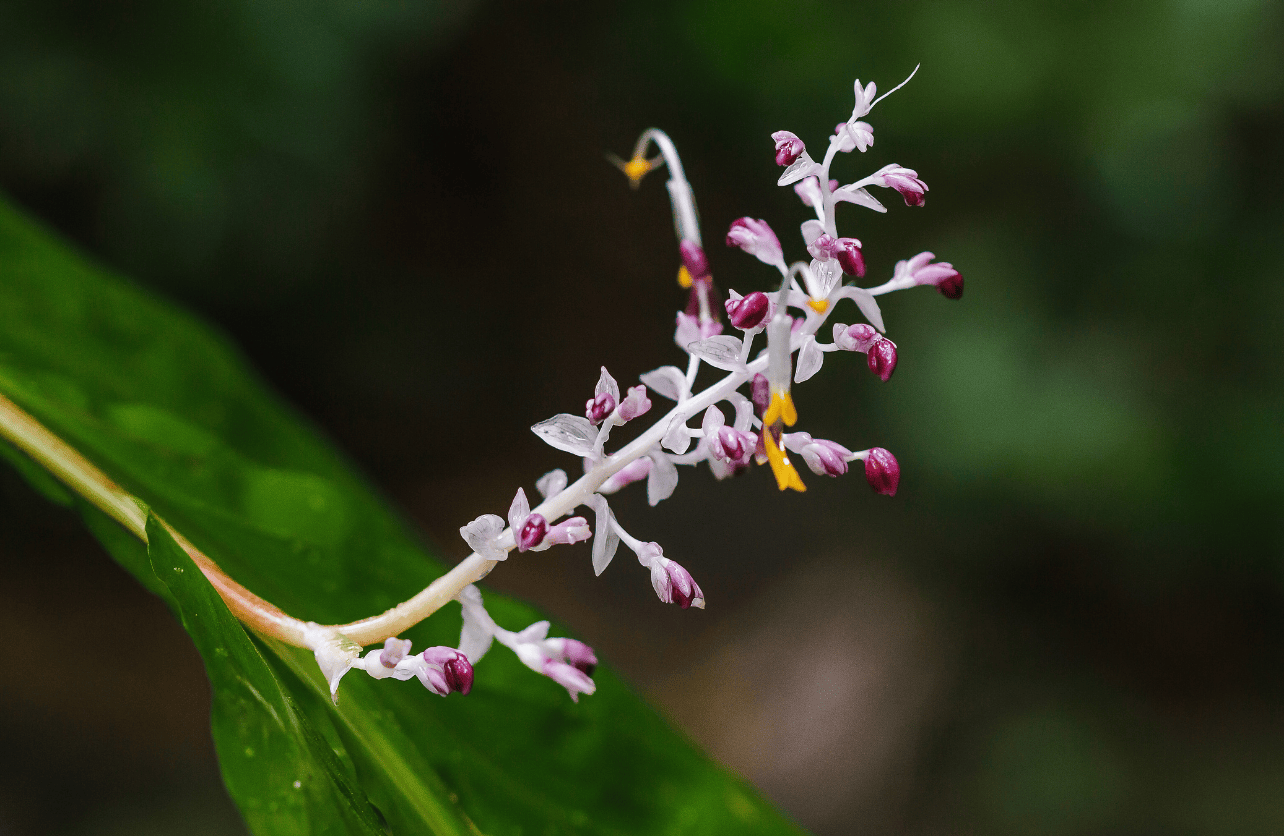
As the name suggests, the flowers here are light and whimsical, hanging like tiny dancers beneath rich purple bracts. The effect is unusual—more like something you’d see in a watercolor than in a backyard.
It thrives in warm, humid spots with indirect light and benefits from being lifted in colder climates. If you’re into collecting plants that feel just a little magical, this one should be on your list.
10. Torch Ginger Plant (Etlingera elatior)
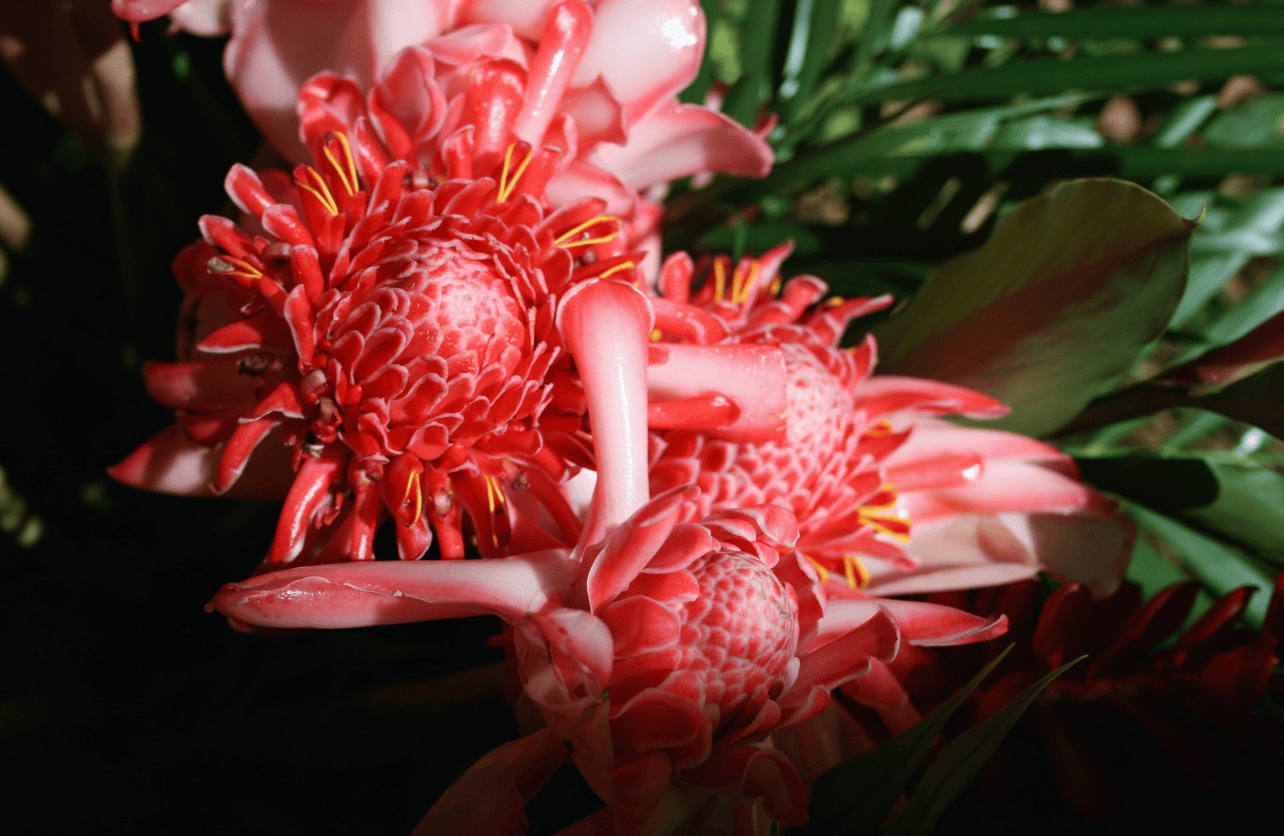
Torch ginger is big, dramatic, and not for the faint of heart. The flowers can rise four to six feet high, towering above the foliage like tropical sculptures. Bright red, pink, or coral in color, they make a strong impression in the landscape or as cut flowers indoors.
This isn’t a plant to squeeze into a small border. But if you’ve got the space and the climate, it rewards you with sheer spectacle. Even when not in bloom, its dense, upright foliage gives the garden a structured, almost formal look.
Decades of Combined Expertise
Best Buy Guidebook is a culmination of online publishing lessons learned. From SEO to paid ads, our team has experienced the highest of highs and the lowest of lows. Our goal now is simple: Arm readers with the most information possible.