
How to Repair a Leaky Faucet with Two Handles

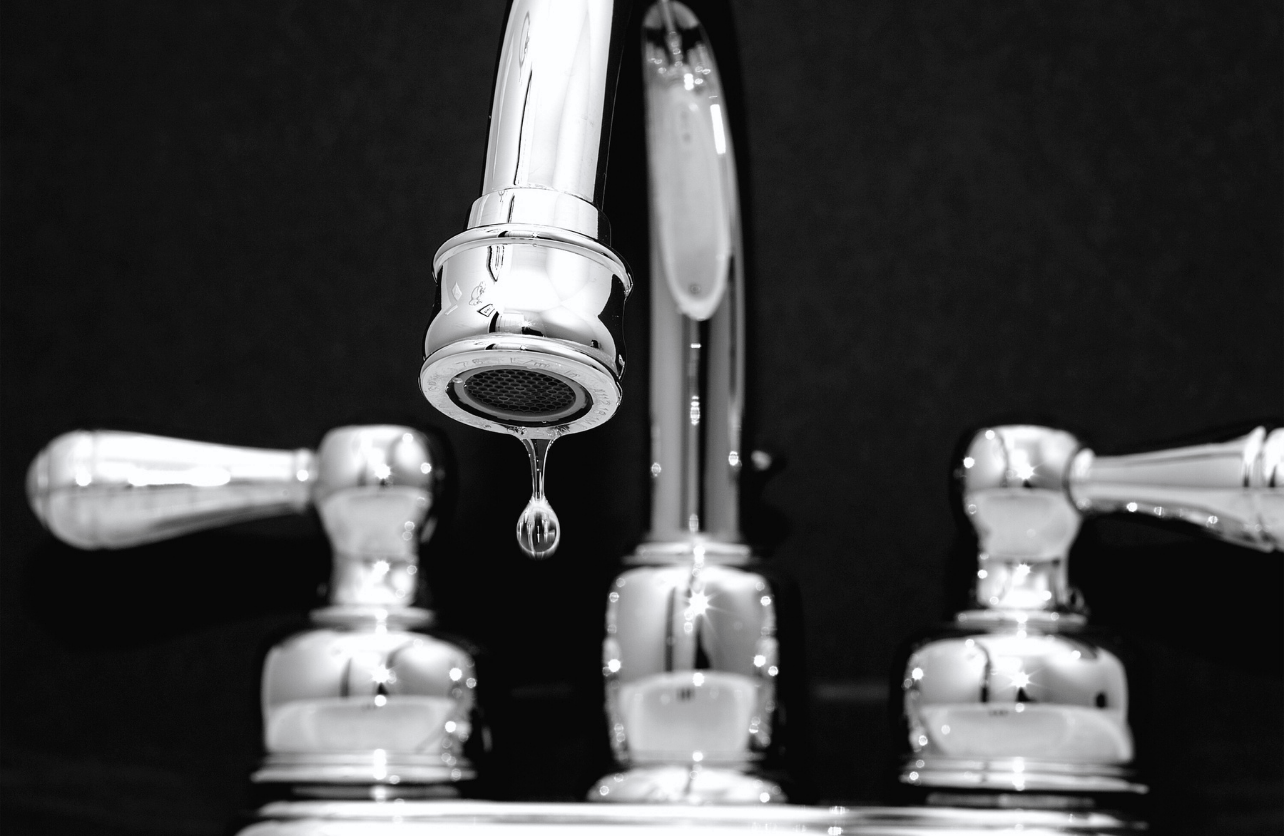
A leaky faucet is annoying in so many ways: it costs you money, wastes water, and slowly wears on your nerves. And when it’s coming from a two-handle setup—separate knobs for hot and cold—it can feel a little more intimidating to tackle. But the truth is, most of these leaks have a simple cause: a worn-out washer, cartridge, or O-ring.
If you’ve got an hour, a few basic tools, and a bit of patience, you can usually fix it yourself without calling a plumber. This step-by-step guide walks you through the process clearly, so you know what to expect—and what to avoid. No guesswork, no unnecessary complications—just a straightforward solution to an everyday problem.
Tools and Supplies You’ll Want on Hand to Fix Leaky Faucet
Before you start, clear the area around the sink and gather everything you need.
| Tool/Supply | What It’s For |
| Adjustable wrench | Loosening packing nuts without scratching the surface |
| Flathead and Phillips screwdriver | Removing handle screws or trim caps |
| Replacement washers/O-rings or cartridges | Fixing worn internal parts |
| Allen wrench | For faucets with inset handle screws |
| Plumber’s grease | Lubricating moving parts to avoid wear |
| Towel or rag | Protecting the countertop and catching water |
| Bucket or bowl | Collecting residual water from the lines |
| Needle-nose pliers | Helpful for removing tight rubber washers or seals |
Step 1: Shut Off the Water Supply
Find the shut-off valves under the sink. There’ll be one each for hot and cold. Turn them clockwise to cut off the water flow. After that, open both handles on the faucet to release any trapped water. Place a towel or bowl beneath the pipes in case there’s any leftover water when you open things up.
Step 2: Take Off the Handles
The handles are held in place by a screw, usually hidden under a decorative cap. Use a flathead screwdriver to gently pop the cap off. From there, use either a Phillips screwdriver or an Allen wrench (depending on the faucet type) to remove the screw. Once that’s out, the handle should slide off the stem.
Sometimes older faucets put up a bit of a fight. A little wiggle—and maybe some WD-40—goes a long way.
Step 3: Check the Valve Assembly
With the handles removed, you’ll see the valve stems. These control how water flows through the faucet, and they’re the likely culprits behind your leak. Using an adjustable wrench, loosen the packing nut holding the stem in place. Then carefully pull the stem out.
Take a close look at what you’ve got. Most stems will have a small rubber washer attached to the bottom, often held in place by a brass screw. That washer is your usual suspect—it can become hard, cracked, or misshapen over time.
If you’re working with a newer faucet, you might have a cartridge instead of a compression valve. Cartridges usually lift straight out once the retaining clip or nut is removed.
Step 4: Replace the Worn Parts
If the washer looks stiff or damaged, remove it with a screwdriver or pliers and match it with a replacement from a hardware store. It’s important to get the size right—a slightly off washer won’t seal properly. If the O-ring around the stem looks worn, replace that as well.
If your faucet uses a cartridge, take it with you to find a precise replacement. Brands vary, and the fit matters. Lubricate any new parts with a bit of plumber’s grease to keep things moving smoothly.
Slide the new washer or cartridge into place and make sure it’s seated snugly.
Step 5: Put Everything Back Together
Carefully thread the stem back into the faucet and tighten the packing nut. Don’t overtighten—it should be snug, not locked in like a lug nut. Slide the handle back on, insert the screw, and pop the decorative cap back in place.
Repeat the process for the second handle. Even if only one side was leaking, it’s often worth replacing both sets of washers or cartridges while you’re at it. If one failed, the other may not be far behind.
Step 6: Turn the Water Back On and Test
Open the shutoff valves under the sink slowly and keep an eye on the faucet. Check for drips around the base or handles. Then turn the faucet on, let it run for a few seconds, and turn it off again.
What Causes a Leaky Faucet?
In two-handle faucets, most leaks come down to aging rubber or plastic components. Washers compress every time you turn the handle, and after thousands of uses, they begin to lose their shape. Cartridges can crack or wear unevenly. O-rings dry out and let water sneak through the gaps.
Mineral-heavy water only speeds up the process, so if you live in a hard-water area, these kinds of repairs become part of the rhythm of home maintenance. A little proactive attention can extend your faucet’s lifespan considerably.
When It’s Time to Call a Plumber
Not every leak plays by the rules. If you’ve replaced washers or cartridges and the drip continues, or if you’re seeing signs of corrosion around the valve seat, it might be time to call in a professional. Persistent leaks may also point to issues deeper in the plumbing, like a cracked pipe or a failing shutoff valve.
You should also step back if any of the parts are stuck or feel like they might break under pressure. Forcing things can turn a simple repair into a full-blown replacement.
FAQs
Can a leaky two-handle faucet cause damage if I ignore it?
Yes. Beyond just wasting water, an ongoing leak can lead to mineral buildup, mold or mildew under the sink, water stains, and even warped cabinetry if the leak drips below the fixture. Over time, it can also increase pressure on nearby joints, making future repairs more complicated.
How do I know if my faucet uses a compression valve or a cartridge?
A quick way to check is by feel. If the handle needs multiple turns to shut off the water completely, it’s likely a compression valve. If it turns off with a quarter or half turn, you probably have a cartridge faucet. You can also check the manufacturer’s website using your faucet model.
Is it safe to use plumber’s tape on a faucet repair like this?
Plumber’s tape (Teflon tape) is useful when sealing threaded pipe connections, like shower arms or supply lines. For faucet repairs involving washers or cartridges, it’s typically not needed or helpful. The seal is created by the washer or O-ring, not threaded joints.
Can seasonal temperature changes affect faucet performance?
Yes. Extreme temperature shifts—especially in colder climates—can cause metal parts to expand and contract, which may loosen seals over time. In winter, pipes and components near exterior walls can also become more brittle or prone to condensation, which may speed up wear on washers and O-rings. Regular maintenance around seasonal transitions can help prevent sudden leaks.
Decades of Combined Expertise
Best Buy Guidebook is a culmination of online publishing lessons learned. From SEO to paid ads, our team has experienced the highest of highs and the lowest of lows. Our goal now is simple: Arm readers with the most information possible.