
Making Your Own Dishwasher Detergent Is Easier Than You Think

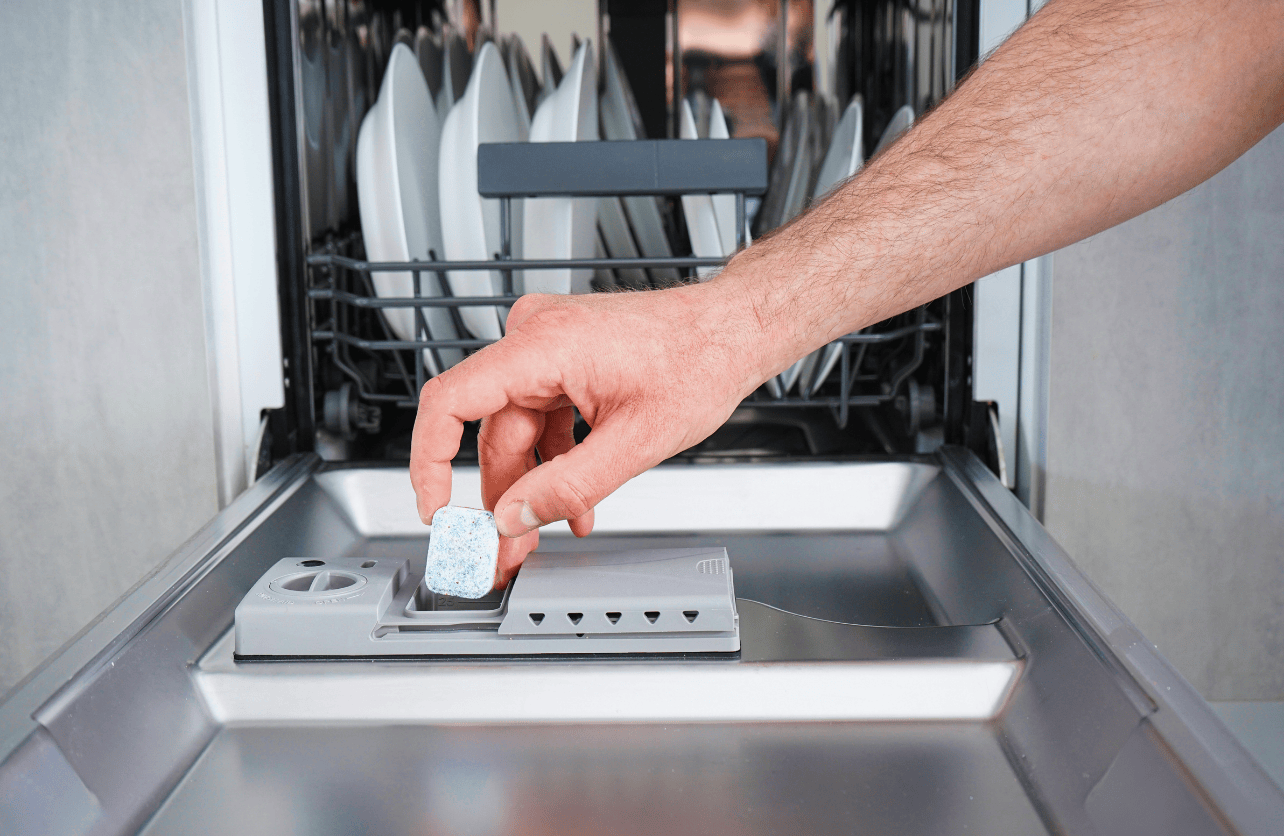
With so many cleaning products on the market—bright labels, bold claims, and entire aisles dedicated to getting your dishes spotless—it’s fair to wonder why anyone would bother making their own detergent at home. After all, the store options are convenient, familiar, and promise to take the work out of keeping things clean. But there’s something about making your own homemade dishwasher detergent that goes beyond convenience. For some, it starts as a budget decision. For others, it’s about skipping the synthetic chemicals and unnecessary fragrances. For me, it was partly curiosity, partly the urge to have more control over what I use in my kitchen. And once I saw how simple it was to mix up a batch, it became something I genuinely enjoyed doing.
Homemade dishwasher detergent isn’t a one-size-fits-all project. You can mix a powder, form it into tablets, or make a liquid blend. Each version works well, and which one you use depends on your dishwasher, your water, and how much time you’re willing to spend. Once you get a feel for what works, it becomes second nature—almost like making your own bread or broth. It’s one small habit that adds up.
How to Make Your Own Homemade Dishwasher Detergent
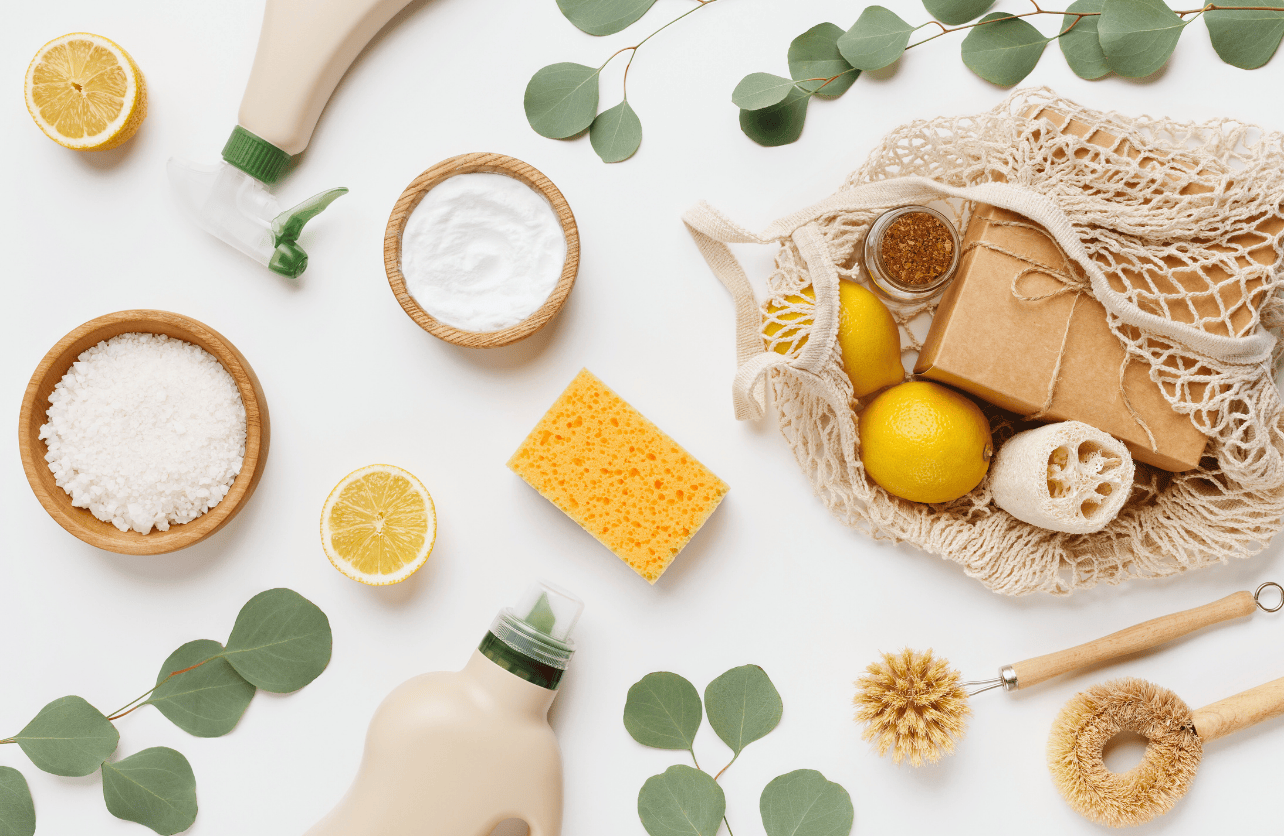
We’ll be making three types of homemade dishwasher detergent: powder, tablet, and liquid. The ingredients overlap quite a bit, so once you gather the basics, you’ll be ready to try whichever one fits your routine best.
Tools and Supplies You’ll Need
Making dishwasher detergent at home doesn’t require anything fancy. Most of what you need is probably already in your kitchen.
| Item | Purpose |
| Mixing bowl | To blend ingredients smoothly |
| Measuring cups/spoons | For consistency in each batch |
| Airtight container | Keeps powder or tablets fresh and clump-free |
| Silicone mold or ice tray | Shape the tablets into individual doses |
| Spray bottle | Controls how much water you add for tablets |
| Spoon or spatula | Helps mix and press ingredients evenly |
| Funnel (for liquid) | Keeps things tidy when pouring into bottles |
Powder Detergent
Powder detergent is the quickest to make and easiest to adjust. It’s a dry blend you scoop directly into the detergent compartment. No molds, no curing time—just mix and store.
Ingredients:
- 1 cup washing soda
- 1 cup borax (or swap in baking soda if you prefer a gentler clean)
- ½ cup citric acid
- ½ cup kosher salt
Instructions:
- Combine everything in a large bowl.
- Stir until evenly blended and pour into an airtight jar or container.
- Use about one tablespoon per load.
Pro tip: If humidity is a problem where you live, toss in a small sachet of rice or a few dry beans to help absorb moisture and prevent clumping.
Tablet Detergent
If you prefer the drop-and-go convenience of pods, homemade tablets are a great alternative. They use the same basic ingredients as powder, just slightly dampened and shaped into individual doses.
Ingredients:
- 1 cup washing soda
- 1 cup borax or baking soda
- ½ cup citric acid
- ½ cup salt
- Water (just enough to bind the mix)
Optional: A few drops of essential oil (lemon, eucalyptus, or tea tree) for a subtle scent
Instructions:
- Mix dry ingredients in a bowl.
- Lightly mist with water using a spray bottle, stirring constantly until the mixture holds together when pressed.
- Press firmly into silicone molds or ice cube trays.
- Let dry uncovered for 24 hours.
- Once hardened, remove and store in a sealed jar.
Use one tablet per load. No need to overthink it—they clean just as effectively as the powder version, but in a more convenient form.
Liquid Detergent
The liquid version works especially well in areas with humid climates, where powders can clump or go stale. It’s also helpful if you want something that dissolves instantly in low-temp cycles.
Ingredients:
- 1 cup castile soap
- ½ cup distilled white vinegar
- 1 tablespoon lemon juice
- Optional: a pinch of salt, essential oils for scent
Instructions:
- Combine all ingredients in a clean bottle with a tight lid.
- Shake gently before each use.
- Use about two tablespoons per load.
This version has a softer cleaning profile, so it pairs best with regular rinsing and hot water cycles. If you’re seeing streaks, a dash of white vinegar in the rinse aid compartment often does the trick.
Decades of Combined Expertise
Best Buy Guidebook is a culmination of online publishing lessons learned. From SEO to paid ads, our team has experienced the highest of highs and the lowest of lows. Our goal now is simple: Arm readers with the most information possible.