
Why I Never Mix Bleach With These Cleaning Products (And You Shouldn’t Either)

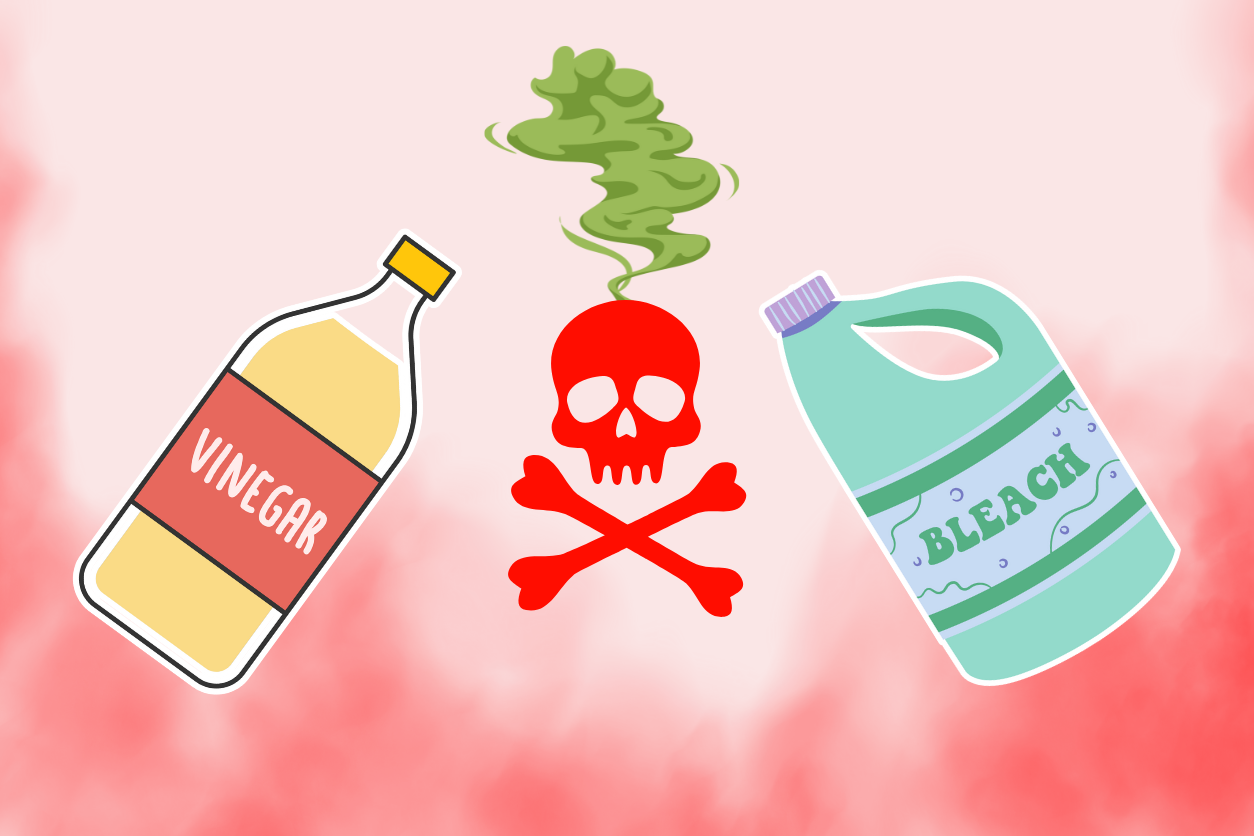
Bleach is one of those household staples that’s been around forever. One of bleach’s biggest strengths is its ability to disinfect quickly. But for all its effectiveness, bleach is also one of the most misunderstood and misused cleaning products. The stakes are high here—when handled improperly, bleach can turn from your best cleaning ally into a dangerous chemical hazard. Let’s talk about what you need to know, starting with the golden rule: never mix bleach with vinegar and bleach.
Bleach, in its common form, is a sodium hypochlorite solution that acts as a disinfectant, killing bacteria, viruses, and fungi. It’s often the first choice for sanitizing hard, non-porous surfaces, but it’s not the universal cleaner some people think it is. To use it effectively, you need to understand its strengths and limitations.
One of bleach’s biggest strengths is its ability to disinfect quickly. However, that power comes with a caveat: bleach doesn’t work well on dirty surfaces. If you’re cleaning an area with grease, grime, or food particles, those residues can neutralize bleach’s effectiveness. That’s why it’s crucial to clean with soap and water before applying a bleach solution for disinfection. Skipping this step reduces its efficacy, turning what should be a germ-free surface into a half-cleaned one.
Why You Shouldn’t Mix Vinegar and Bleach
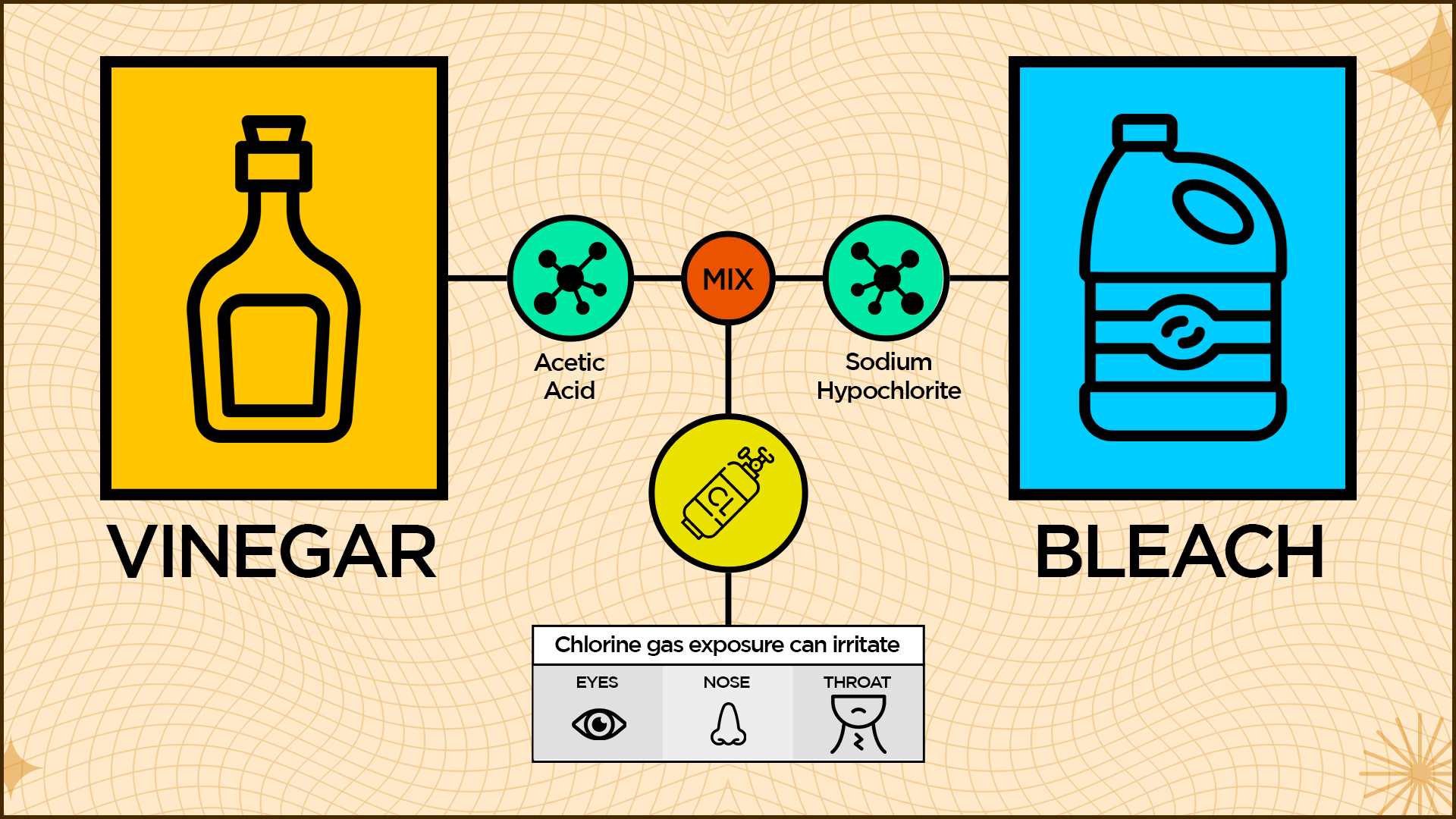
You’ve probably seen the advice floating around: combine household vinegar with bleach for an extra-powerful cleaning solution. Don’t do it. The science here isn’t just theoretical—it’s downright dangerous. When vinegar, an acetic acid, reacts with the sodium hypochlorite in bleach, the combination releases chlorine gas. Chlorine gas exposure can irritate your eyes, nose, and throat, and in higher concentrations, it can even cause severe respiratory damage.
This isn’t an issue of being overly cautious; even small amounts of vinegar can trigger this reaction. That’s why it’s crucial to avoid mixing bleach with not only vinegar but also any acidic cleaners, like lemon juice or toilet bowl cleaners. These combinations don’t just nullify the cleaning power of bleach—they create a genuinely hazardous situation.
Other Combinations to Avoid with Bleach
While vinegar and bleach is the classic “do not mix” duo, it’s far from the only problematic pairing. Bleach’s reactivity means it doesn’t play well with a lot of common cleaning products.
Ammonia and Bleach
This pairing is infamous for good reason. When combined, ammonia and bleach produce chloramine gases, which are even more dangerous than chlorine gas in confined spaces. Chloramines can irritate the lungs, leading to respiratory issues, and high concentrations can be life-threatening. Never mix these two under any circumstances.
Rubbing Alcohol and Bleach
Another dangerous combination, bleach and isopropyl alcohol, create chloroform—yes, the same substance historically used as an anesthetic. Inhaling chloroform can cause dizziness, nausea, and unconsciousness, and prolonged exposure can lead to serious organ damage.
Other Household Cleaners
Bleach should also not be mixed with hydrogen peroxide, toilet bowl cleaners, or any product labeled as “acidic” or “alkaline.” These combinations can lead to chemical reactions that release harmful gases or create corrosive solutions that damage surfaces and your health.
How to Use Bleach the Right Way
Dilution is key to using bleach effectively and safely. Straight bleach is too strong for most applications and can damage surfaces or create harmful fumes. A standard recipe for disinfection involves mixing one tablespoon of bleach with one quart of water. This ratio provides enough strength to kill bacteria and viruses without posing unnecessary risks to your health or the surfaces you’re cleaning.
Once diluted, the bleach solution should be used within 24 hours. Bleach loses its potency when exposed to air, light, or time, so mixing fresh batches daily ensures you’re not using a weakened product. Apply the solution with a clean cloth or sponge, letting it sit on the surface for at least five minutes before wiping it away or rinsing.
Proper ventilation is another crucial aspect of working with bleach. The fumes can irritate your eyes and respiratory system, even in small amounts. Open windows and doors, and consider using fans to keep the air moving. Wearing gloves is non-negotiable, as bleach can irritate or even burn your skin with prolonged contact.
Alternatives to Bleach for Certain Cleaning Tasks
There’s a reason bleach isn’t a one-size-fits-all solution. For tasks where bleach isn’t suitable—or if you just prefer to avoid its harshness—there are plenty of alternatives.
- Vinegar: On its own, vinegar is a powerful cleaner for glass, mirrors, and some hard water stains. But remember, no bleach.
- Hydrogen Peroxide: This is a great alternative for disinfecting, especially in areas where you don’t want to risk bleach’s strong fumes or potential damage.
- Enzyme Cleaners: These are ideal for breaking down organic stains, like pet messes, without the harshness of bleach.
When Things Go Wrong
Even the most careful among us can make mistakes, and accidental mixing of bleach with another substance is more common than you might think. If you’ve accidentally created a dangerous reaction—like mixing vinegar and bleach—take immediate action.
First, leave the area. Chlorine gas and other harmful byproducts can cause severe irritation or worse with even brief exposure. Open windows and doors to ventilate the space and wait at least 30 minutes before returning. If symptoms like coughing, chest pain, or shortness of breath occur, seek medical attention immediately.
Once the area is safe to enter, dilute the mixture with copious amounts of water before disposing of it down the drain. Wear gloves and avoid direct contact to minimize risks.
Bleach Isn’t Always Necessary
One final point: not every cleaning situation requires bleach. For general cleaning tasks, soap and water or a multi-purpose cleaner can often do the job just as well without the added risks. Save bleach for the jobs where it truly shines—like disinfecting high-touch surfaces during flu season or sanitizing items after exposure to harmful bacteria.
Decades of Combined Expertise
Best Buy Guidebook is a culmination of online publishing lessons learned. From SEO to paid ads, our team has experienced the highest of highs and the lowest of lows. Our goal now is simple: Arm readers with the most information possible.