

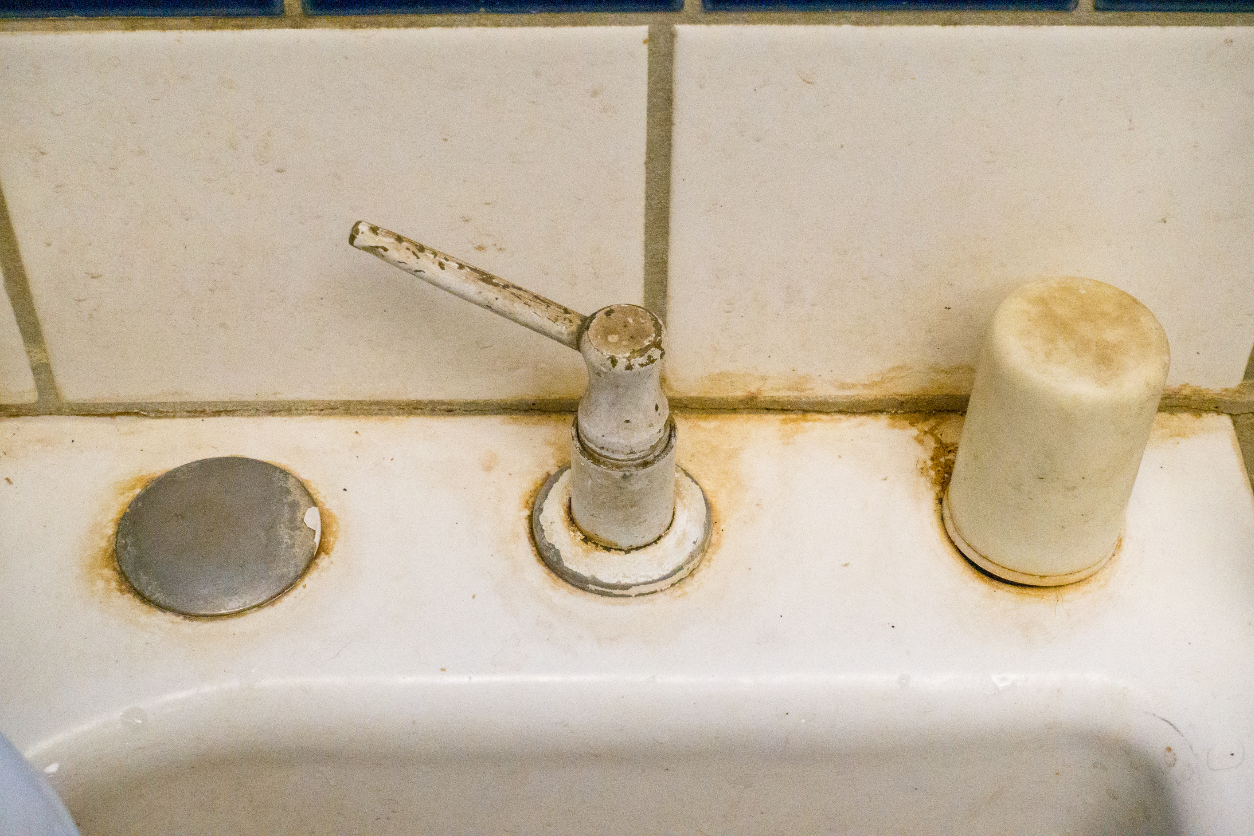
If you’ve ever run your hand across a shower wall and felt a strange, rubbery texture instead of smooth tiles, you’ve encountered soap scum. But what is it exactly, and why is it so stubborn?
Soap scum is essentially a cocktail of soap residue, body oils, dead skin cells, and hard water minerals. When water splashes onto the surfaces of your shower or tub, it clings to them. As the water evaporates, it leaves behind a layer of residue that hardens over time.
If you live in an area with hard water, you’ll notice soap scum forming faster and more stubbornly. The minerals in hard water, such as calcium and magnesium, bind with soap, creating that chalky, grayish film. It’s particularly prevalent on glass shower doors, tiles, and even fixtures.
Melissa Maker, cleaning expert and owner of Clean My Space, calls soap scum a full sensory experience. She explains that you don’t even need to see it to know it’s there. “If you run your hand across a surface and it doesn’t feel smooth or uniform, you’ve got soap scum,” she says.
How to Clean Soap Scum
Getting rid of soap scum is all about using the right tools and techniques. It’s tempting to grab the harshest scrubber you can find, but that’s a mistake. Soap scum is tough, but many of the surfaces it clings to—like glass shower doors or tiles—are delicate. Here’s how to clean it effectively without causing damage.
1. Start Simple with a DIY Cleaner
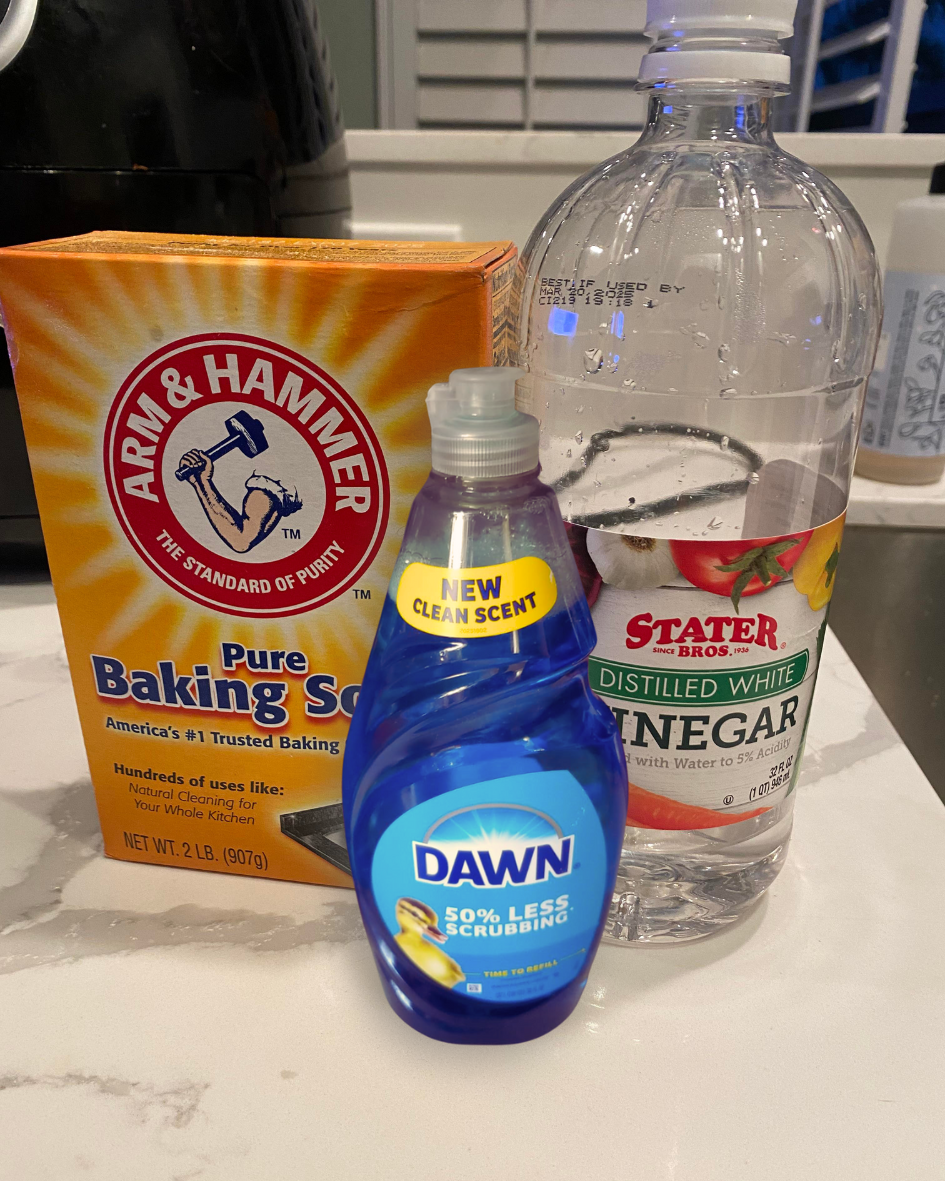
One of the easiest and most affordable ways to tackle soap scum is by making your own cleaning solution. Melissa recommends starting with a mix of equal parts white vinegar and dish soap. “This combo is a powerhouse,” she says. “The vinegar cuts through mineral deposits, while the dish soap tackles body oils and grease.”
How to Use It: Spray the solution onto the affected areas, starting with the walls and working your way down to the floor. Let it sit for two to three minutes to break down the buildup. Then, scrub using a non-scratch sponge in an S-pattern to ensure you cover every spot.
2. For Hard Water Areas, Amp Up the Acid
If regular vinegar isn’t cutting it, swap it out for extra-strength vinegar with a higher concentration of acetic acid (6–10%). But be careful—this stuff is potent. Wear gloves, ventilate the area, and avoid using it on natural stone surfaces, which can be damaged by acids.
3. Make a Soap Scum Paste
For particularly stubborn spots, try making a paste with baking soda and dish soap. “Think of it as a scum-busting pudding,” Melissa jokes. The baking soda adds a mild abrasive quality that helps lift tough deposits without scratching.
How to Use It: Apply the paste with a sponge, let it sit for a few minutes, and scrub as needed. Always test on a small area first, especially if you’re working on glass.
4. Avoid Abrasive Tools
It’s tempting to use something like a magic eraser or steel wool, but Melissa warns against it. “They can scratch your surfaces, leaving permanent marks that are much harder to fix than soap scum,” she says. Stick to non-scratch sponges or microfiber cloths for best results.

How to Prevent Soap Scum from Coming Back
The best way to deal with soap scum is to stop it from forming in the first place. Prevention takes a bit of discipline but saves you a lot of elbow grease down the road.
1. Ventilation is Key
Always turn on the bathroom fan or open a window during and after your shower. This helps reduce moisture levels, which can slow down soap scum formation.
2. Squeegee After Every Shower
This might sound tedious, but Melissa swears by it. “It takes under 30 seconds, and it makes a world of difference,” she says. Use a good-quality squeegee to dry off the walls, floor, and glass doors. Without water on the surface, soap scum simply can’t form.
3. Use a Daily Shower Spray
If squeegeeing isn’t your thing, a daily shower spray can be a good alternative. Mix equal parts water and white vinegar with 20 drops of tea tree essential oil. Spray it on the walls and floor after every shower to help prevent buildup.
4. Switch to Liquid Soap
Traditional bar soaps are a major contributor to soap scum because they contain fats and oils that combine with hard water minerals. Investing in a high-quality soap dish or switching to liquid soap can significantly reduce the amount of residue left behind.
Soap scum might be one of the most frustrating cleaning challenges, but with the right approach, it doesn’t have to be. By understanding what causes it, using effective DIY solutions, and adopting simple preventive measures, you can keep your bathroom looking spotless. So next time you notice that rubbery, textured film, you’ll know exactly what to do—and how to stop it from coming back.