
Why Vinegar and Baking Soda Don’t Make a Great DIY Cleaning Solution

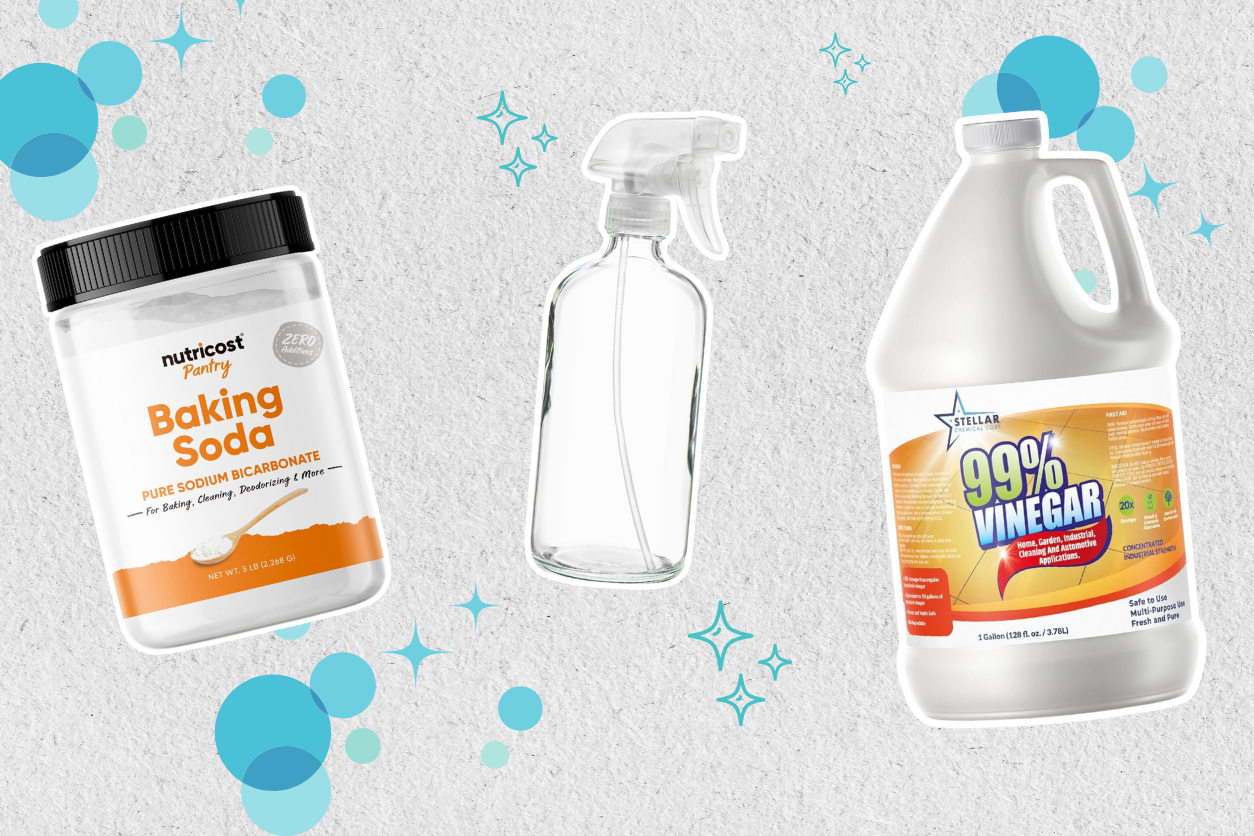
If there’s one cleaning hack everyone seems to swear by, it’s the power duo of vinegar and baking soda. Whether it’s scrubbing stubborn grime off countertops or unclogging drains, this pair has become a household name in DIY cleaning solutions. But what if I told you that mixing vinegar and baking soda isn’t the miracle hack you think it is? Like many, I’ve poured these two staples down a drain in a desperate attempt to clear a clog, only to realize that while it looked effective—with all that fizzing and bubbling—it didn’t actually do much. In fact, the chemistry behind this mix makes it more hype than help. Let’s break it down and explore smarter ways to use each ingredient effectively.
Why Mixing Vinegar and Baking Soda Doesn’t Work
At first glance, vinegar and baking soda seem like a dream team. Vinegar’s acidic punch and baking soda’s alkaline edge suggest they’ll tackle dirt and grime with the force of a tag team wrestling match. However, what’s really happening when these two come together is a whole lot of neutralization—and not the good kind.
When vinegar (acetic acid) reacts with baking soda (sodium bicarbonate), they neutralize each other. The chemical reaction creates carbon dioxide gas (the bubbles you see fizzing) and water, along with a trace of sodium acetate—essentially diluted salt water. That’s it. By the time the fizzing stops, you’re left with a solution that’s neither acidic nor basic, and definitely not effective as a cleaner.
The fizz can look impressive, sure. It’s easy to think, “Wow, this is really working!” But in reality, the bubbling reaction isn’t cleaning your surface. It’s just a visual effect caused by carbon dioxide being released. If you wanted to, you could achieve the same effect by breathing heavily on your kitchen counter—not exactly the power cleaner you were hoping for.
A Better Way to Use Vinegar
Vinegar is an incredibly versatile cleaning agent, but it works best when used alone or paired with complementary ingredients—not with baking soda. Its acetic acid content makes it excellent for cutting through grease, dissolving hard water deposits, and neutralizing odors. Here’s how to harness vinegar’s full potential:
Glass and Mirror Cleaning
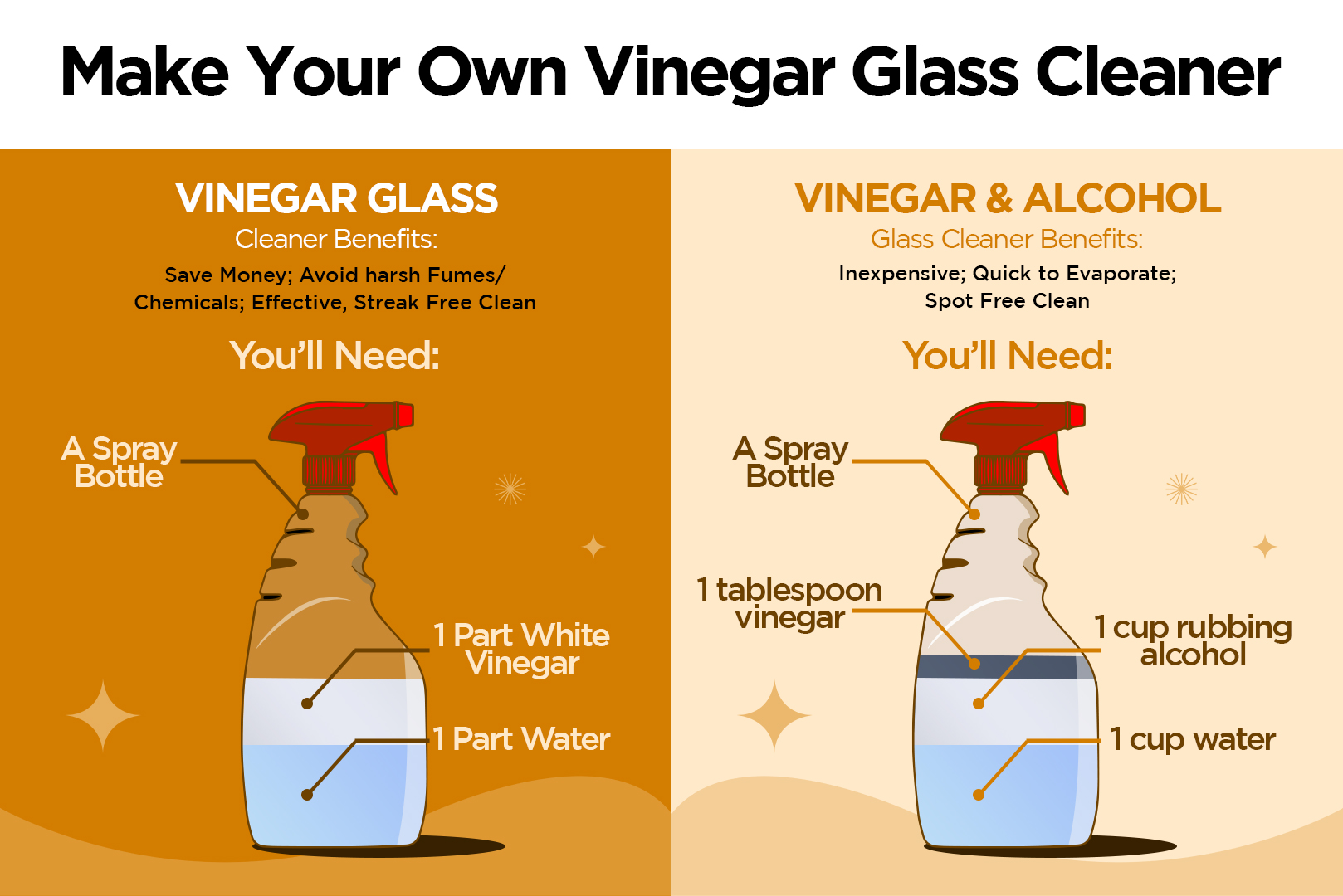
One of vinegar’s standout qualities is its ability to leave glass surfaces streak-free. I mix equal parts white vinegar and water in a spray bottle and use it with a flat-weave microfiber cloth. The acid in vinegar cuts through grime and soap scum, while the cloth ensures no lint or streaks are left behind. Pro tip: Work in an “S” pattern for a flawless finish.
Hard Water Deposits
If you’ve ever dealt with those stubborn white spots on your faucets or showerheads, you know how frustrating they can be. Vinegar works wonders here. I soak a cloth in white vinegar and wrap it around the faucet or showerhead, letting it sit for 15-20 minutes. For tougher stains, you can fill a bag with vinegar, secure it around the fixture with a rubber band, and let it soak longer. The acid dissolves the calcium and magnesium deposits, leaving your fixtures sparkling.
Descaling Appliances
Kettles, coffee makers, and even dishwashers can develop mineral buildup over time, especially in areas with hard water. To descale my kettle, I simply fill it halfway with vinegar, top it up with water, and bring it to a boil. Afterward, I rinse thoroughly and boil fresh water to remove any lingering vinegar taste. For coffee makers, running a vinegar cycle followed by several water-only cycles achieves the same result.
The Best Uses for Baking Soda
Baking soda shines as a gentle abrasive and deodorizer. Unlike vinegar, it doesn’t rely on acidity but instead uses its mildly alkaline nature to tackle stains, odors, and grease. Here’s where it works best:
Scrubbing Surfaces
Baking soda is my go-to for cleaning grimy sinks, stovetops, and even tile grout. Its fine particles provide just enough abrasion to scrub away stains without scratching surfaces. I’ll sprinkle a generous amount onto a damp sponge and scrub in circular motions, adding a little water to create a paste for tougher spots.
Deodorizing
There’s a reason an open box of baking soda is a staple in most fridges. It absorbs odors like a pro. But don’t stop there. Put some in your trash can, clean your shoes with it, or sprinkle a bit on your carpet before vacuuming to neutralize smells. I’ve even used it in my laundry for an extra deodorizing boost.
Cleaning Pots and Pans
For burned-on food, baking soda is a lifesaver. I sprinkle a generous layer onto the pan, add just enough water to make a paste, and let it sit for 15-30 minutes. The alkaline nature of baking soda helps loosen stubborn residue, making it easier to scrub away.
The Myth of Combining Vinegar and Baking Soda
So, if vinegar and baking soda are so effective on their own, why do so many people mix them? A lot of it comes down to misinformation and the allure of the fizzing reaction. The bubbling makes us think it’s actively cleaning, but as we’ve discussed, the reaction is purely chemical and doesn’t enhance cleaning power.
That said, there is one specific scenario where combining them makes sense: unclogging drains. In this case, it’s not about cleaning—it’s about agitation. Pouring baking soda down the drain followed by vinegar creates pressure from the carbon dioxide gas, which can help dislodge clogs. But even this method has its limits. For tough clogs, you’re better off using a plumbing snake or calling a professional.
Knowing the chemistry behind these common household ingredients can save you time, money, and effort. When we mix vinegar and baking soda, we’re essentially canceling out the very properties that make them effective. Instead of doubling their power, we’re diluting it.
Decades of Combined Expertise
Best Buy Guidebook is a culmination of online publishing lessons learned. From SEO to paid ads, our team has experienced the highest of highs and the lowest of lows. Our goal now is simple: Arm readers with the most information possible.