
How to Remove Water Stains From Cloudy Glassware

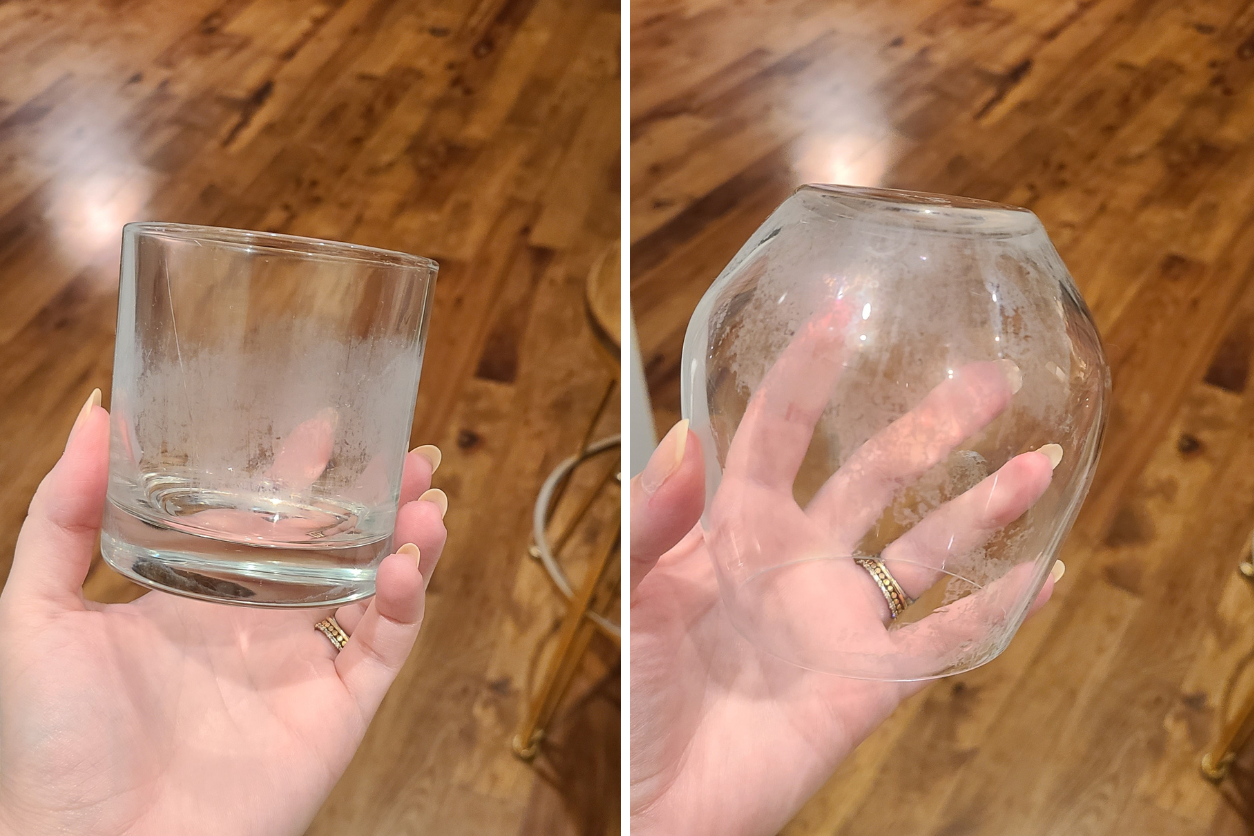
When Christmas came around, I pulled out my fancy glassware for holiday dinners, ready to impress my guests. But instead of the sparkling pieces I remembered, I was met with dull, cloudy glasses with water stains that had clearly seen better days. It was one of those moments where you feel the panic set in—because nothing screams “unprepared host” like cloudy glassware at a holiday table. Determined to fix it before anyone noticed, I started digging into every possible way to get them back to looking brand new.
What I found out wasn’t just about quick fixes; it was a wake-up call about how I’d been caring for my glasses all along—and the mistakes that left them in this state. Here’s what you need to know to save your glassware, avoid permanent damage, and make sure those special occasion toasts are as clear and sparkling as they should be.
Why Is My Glassware Cloudy?
Before diving into cleaning techniques, it’s essential to identify why your glassware has turned cloudy. There are two primary culprits:
Hard Water Deposits
Hard water is rich in minerals like calcium and magnesium. When water evaporates, these minerals can cling to the surface of glassware, leaving behind whitish rings or water stains. These deposits are typically found near the base of glasses, where water tends to pool and dry.
Permanent Etching
If your glassware has an overall hazy or cloudy appearance that doesn’t seem to lift, even after cleaning, it’s likely due to permanent etching. High heat from dishwashers and harsh detergents can alter the molecular structure of the glass, creating irreversible damage. Unlike hard water stains, etching affects the entire surface of the glass and is much harder (and sometimes impossible) to get rid of.
How to Remove Hard Water Marks from Glassware
Method 1: Vinegar Soak
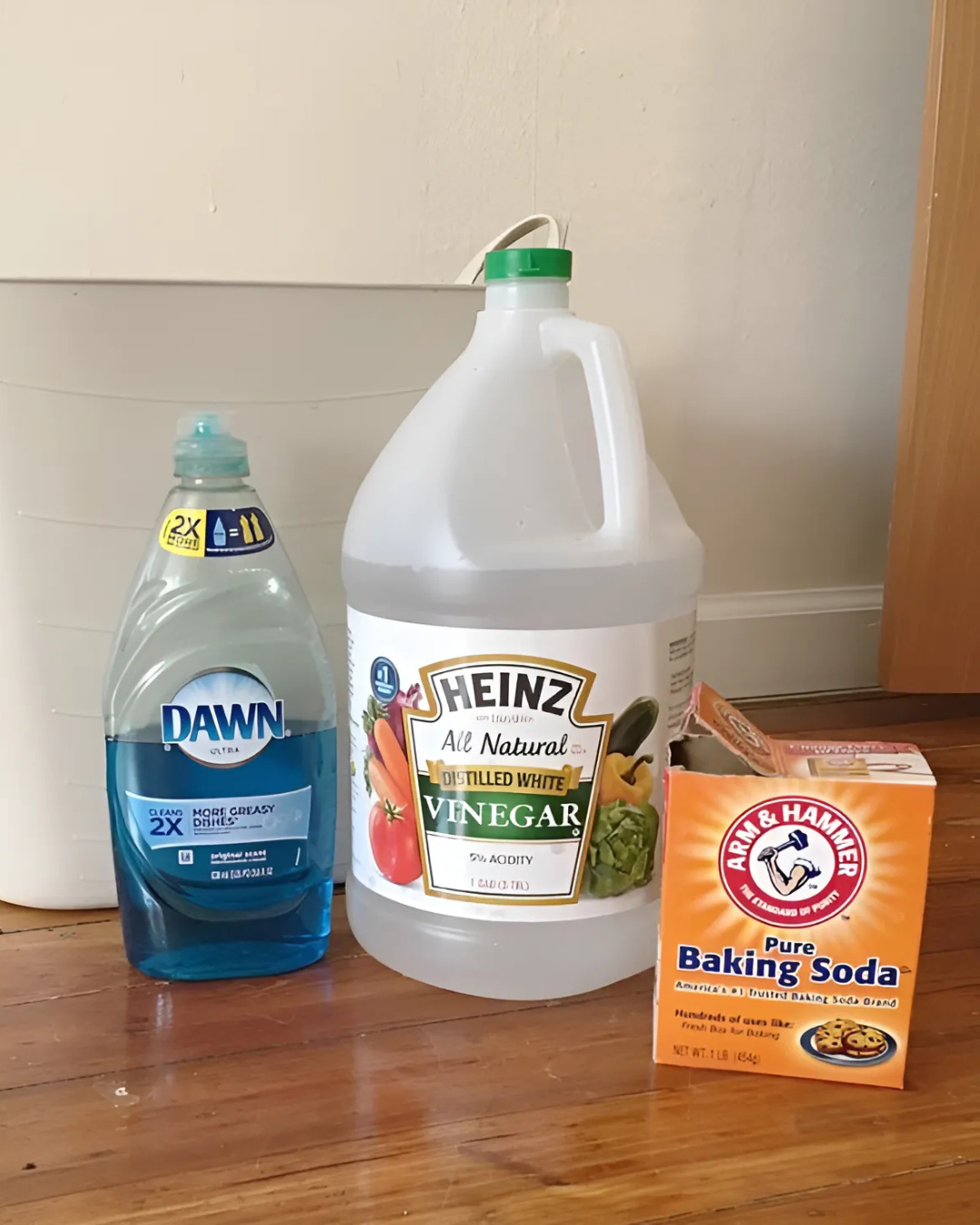
One of the simplest remedies for hard water stains is good old vinegar. Its acidic nature helps dissolve mineral deposits.
- Mix one cup of hot water with two tablespoons of household vinegar (5% acidity).
- For mild stains, dip a sponge or cloth into the solution and scrub. For heavier deposits, submerge the glassware in a basin filled with undiluted vinegar for two hours.
- Use a non-scratch sponge to scrub away loosened deposits. Rinse thoroughly with warm water.
Pro Tip: If vinegar alone doesn’t cut it, try heating the vinegar slightly to enhance its cleaning power.
Method 2: Bar Keeper’s Friend
Bar Keeper’s Friend is a powdered cleaner known for tackling tough stains, including hard water spots.
- Sprinkle a small amount of Bar Keeper’s Friend onto a damp sponge.
- Focus on the stained areas, using light pressure to avoid scratching.
- After scrubbing, rinse thoroughly and wash with dish soap to remove any residue.
Method 3: Baking Soda Paste
If you prefer a chemical-free approach, baking soda is a reliable option for removing watermarks.
- Combine baking soda with water to create a thick paste.
- Use a non-abrasive sponge or cloth to apply the paste in circular motions.
- Rinse the glassware with warm water and dry with a microfiber cloth.
When Cleaning Doesn’t Work on Permanent Etching
After trying these methods, if your glassware remains cloudy, the problem may be permanent etching. This occurs when high temperatures and harsh detergents in dishwashers erode the surface of the glass, leaving a dull finish.
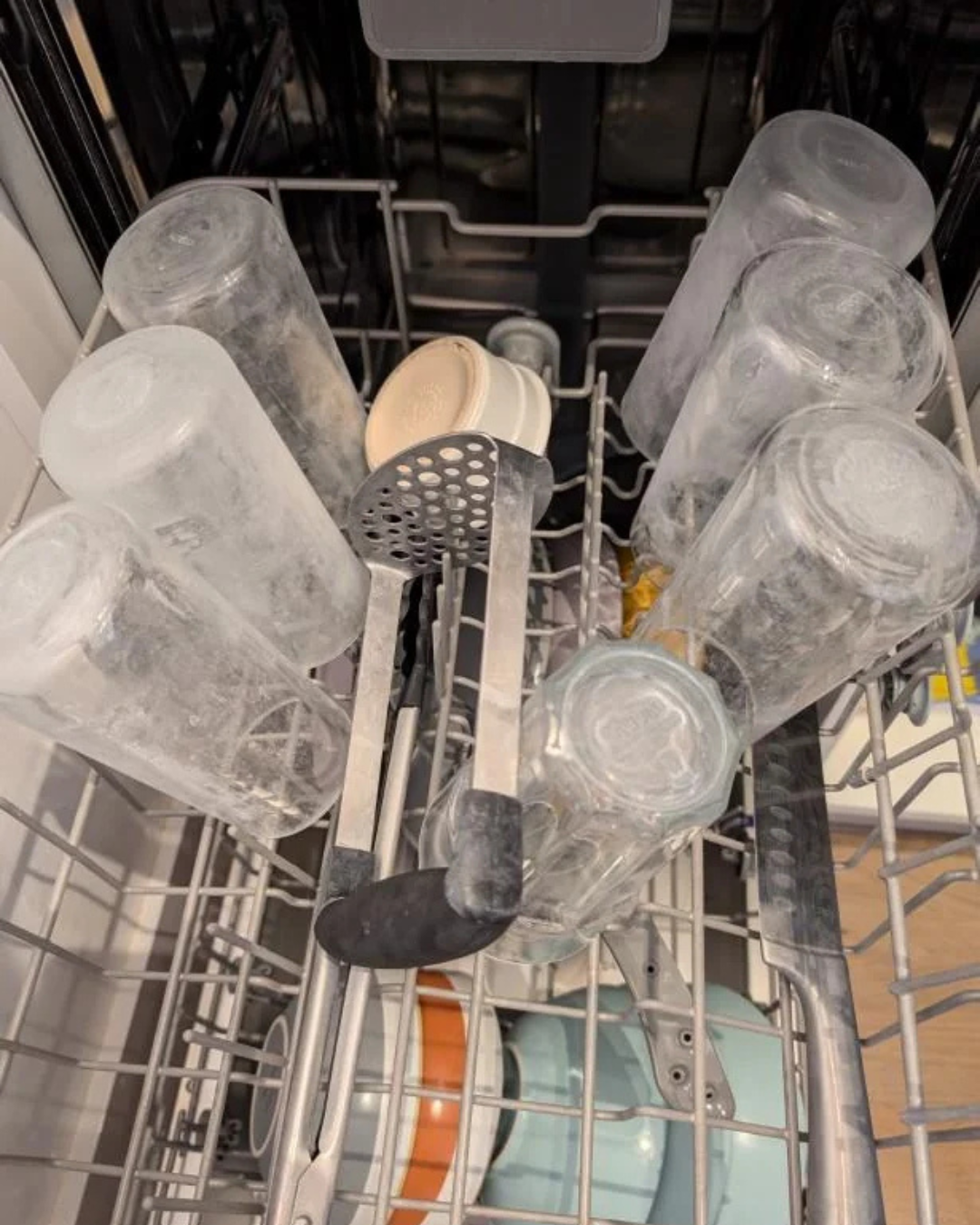
Unfortunately, etched glass cannot be restored to its original clarity. However, you can prevent this issue in the future:
- Avoid the Dishwasher: Hand wash your delicate glassware using warm water and gentle dish soap.
- Use Low Heat: If you must use a dishwasher, opt for a low-heat cycle and skip the drying setting.
- Store Properly: Glassware should be stored in a cool, dry place away from direct sunlight, which can exacerbate etching over time.
Caring for Glassware to Avoid Water Stains
Caring for glassware may seem straightforward, but trust me, I learned the hard way that it’s anything but. After hours of researching, scrubbing, and sadly admitting defeat with some permanently etched glasses, I realized how much of a difference small habits make when it comes to preserving their clarity and shine.
First off, hand washing is non-negotiable for your most cherished pieces. I know, I know—dishwashers are a modern miracle, and we all love saving time. But the high heat and harsh detergents in dishwashers can wreak havoc on delicate glass, causing irreversible etching that no amount of scrubbing or soaking can fix. When I started handwashing my glassware, I made it a ritual: warm water, a gentle dish soap, and a soft sponge. Nothing abrasive. I used to think scrubbing harder meant cleaning better, but that’s the quickest way to scratch the surface. Instead, I now let the soap and water do the work, gently wiping every curve and edge.
Drying is where I used to cut corners, letting glasses air-dry on the rack. Turns out, that’s a big no-no if you want spotless results. Water spots form as the water evaporates, leaving behind mineral traces that dull the glass. Now, I always dry them by hand with a lint-free microfiber cloth, paying extra attention to the rim and base. It’s a small detail, but the difference is noticeable—there’s something deeply satisfying about holding a perfectly polished glass that gleams in the light.
Storage matters too, which I never used to think twice about. My mistake was stacking glasses in a cabinet where they could easily knock against one another. These days, I store them upright, with enough space to keep them safe. For my fancier pieces, I even use padded shelf liners to avoid any accidental chips. And yes, I’ve learned to resist the temptation of tossing them into a crowded cabinet post-party cleanup. Trust me, a few extra minutes to store them properly saves you a lot of heartache down the road.
Decades of Combined Expertise
Best Buy Guidebook is a culmination of online publishing lessons learned. From SEO to paid ads, our team has experienced the highest of highs and the lowest of lows. Our goal now is simple: Arm readers with the most information possible.