
The Smart Way to Harvest Spinach So It Keeps Growing Back

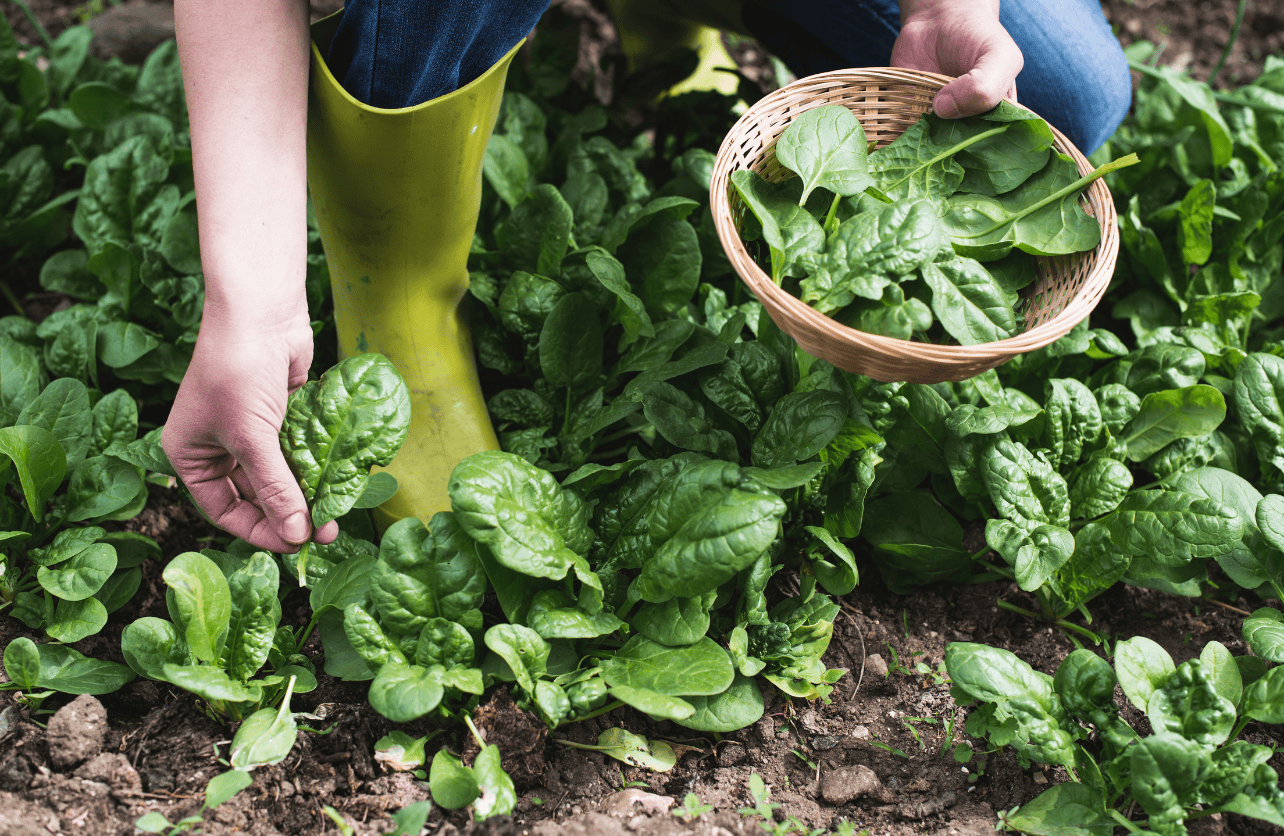
Spinach is one of those crops that rewards you if you play it right. Not just with a single harvest, but with a steady flow of greens that can last you through weeks of meals. So, how do you harvest the spinach so that it keeps coming back and you get a regular supply of greens?
Plenty of people grow a beautiful patch, take a big harvest, and then wonder why the next round never comes. The truth is, if you want spinach to keep producing, you’ve got to treat it like a partner. That means harvesting in a way that lets the plant keep doing its thing without burning out.
As Jarrett Man from Stone Soup Farm puts it, “The spinach plant itself will also regrow quite well, so if you are good to it and you keep it weed-free after harvesting, you can come back several times before the spinach plant sort of gives up on life.”
When the Leaves Say They’re Ready
You don’t need a calendar to tell you when it’s time to harvest. The plants will let you know. Once the leaves reach about 4 to 6 inches long for baby spinach—or closer to 10 inches if you’re after the big, cooking kind—you’re in the sweet spot.
Let it sit too long, especially once warmer weather rolls in, and it’ll bolt. That’s spinach’s way of saying it’s done—sending up a flower stalk and turning the leaves bitter. On the other hand, harvesting too early means you’re missing out on yield. The goal is to find that middle ground: big enough to be worth picking, still young enough to taste good.
Spring and fall give you more wiggle room. Those cool, mild days slow things down just enough to let the plants fill out before they turn. But once summer heat shows up, you’ve got to stay on your toes.
How to Harvest Spinach (So It Grows Back Strong)
Here’s where it matters. You’re not just cutting leaves; you’re setting the plant up for what comes next. The right approach lets spinach regrow. The wrong one shuts it down.
You’ll want a sharp pair of scissors or a clean kitchen knife. Cut the outer leaves about an inch above the soil, leaving the crown (that central cluster of baby leaves) untouched. That’s where all new growth comes from, and if you cut into it, the plant’s done.
“You want to sort of cut it so that they don’t really have too much stem left on them,” says Jarrett Man. That advice hits two marks: clean leaves for the kitchen and minimal stress on the plant.
Go for a third of the plant at a time. That’s usually enough to give you a nice bowl of greens without taking more than the plant can handle. Give it a week or so, and you’ll see new leaves pushing through again.
Baby Spinach or Big Leaves? Pick Your Style
Some people love the tender bite of baby spinach tossed in a salad. Others are all about the heartier stuff that cooks down into a pot of greens. Luckily, spinach doesn’t make you choose—just adjust your timing and spacing.
“If you want to grow baby spinach, you get it when the plants are small and they are very close together,” says Man. That tight spacing keeps the leaves upright and small, which makes for easy harvesting and a soft texture.
Let those same plants grow a little longer, and you’ll get big, bold leaves—great for sautés or freezing. “Most spinach varieties will have leaves that will grow really pretty big, almost dinner plate size,” he explains. It’s not quite a different crop, but it sure feels like it when you see what mature spinach can do in the kitchen.
How Often Can You Harvest?
If your spinach looks like it’s ready again, it probably is. Most healthy plants can be picked every 7 to 10 days, especially early in the season. That rhythm keeps production going and lets the plant recover in between rounds.
You’ll usually get three, sometimes four, harvests from each plant before it starts to slow down. But you’ve got to give it the right conditions in between—sunlight, water, and no competition from weeds.
“The risk there would be letting the weeds grow in,” Man points out. “So you have to be on top of the weeds in order to not be harvesting them instead.” Spinach doesn’t fight back well. If something else moves in, it quietly fades out.
How to Store Your Spinach
Once spinach is out of the ground, the clock starts ticking. First step: rinse the leaves, but don’t soak them. Then dry them off well—either spread out on a towel or spin in a salad spinner. Wet leaves won’t keep.
From there, tuck them into a plastic bag or container with a paper towel to catch extra moisture. Stored like that in the fridge, spinach holds up for about a week.
You can also keep it longer by cooking it down and freezing it. “If you want it longer than that, then it is probably better to wilt the spinach and condense it and then freeze it,” says Man. That’s a solid move for anyone with more greens than they can eat right away—future-you will thank you when it’s soup season again.
What Trips People Up
Spinach is easy until it’s not. Most of the mistakes that shut down production are small, but they add up.
- Cutting too deep: It only takes one bad cut to damage the crown.
- Taking too much: A greedy harvest slows the next one down.
- Neglecting weeds: Even a small patch of weeds can drain energy from the plant.
- Waiting too long: If it bolts, you’re done.
- Ignoring the rhythm: Spinach thrives with regular picking. Letting it sit too long between harvests signals the plant to stop trying.
Decades of Combined Expertise
Best Buy Guidebook is a culmination of online publishing lessons learned. From SEO to paid ads, our team has experienced the highest of highs and the lowest of lows. Our goal now is simple: Arm readers with the most information possible.